Bottled water
Carry a reusable bottle
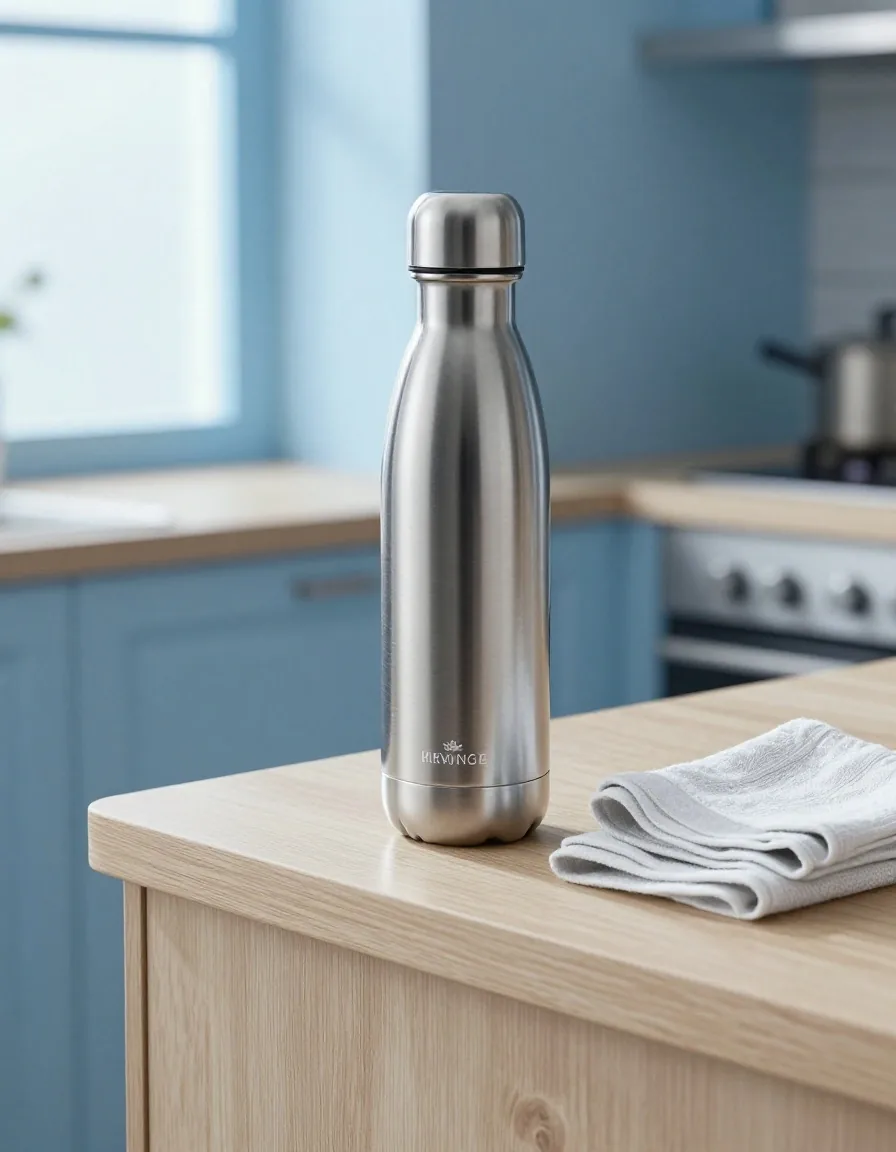
The swap that pays for itself fastest if bottled water is in your weekly shop. Fill it before you leave the house and the purchase stops happening.
Questions about low waste living?
Monday to Friday, 9:00 AM – 6:00 PM
+44 20 7946 0821
Contact GreenLoopZero waste living, one household at a time
Most UK households throw away far more than they realise: food scraps, packaging, clothes that could have a second life. GreenLoop Living is an editorial resource for people who want to cut that waste without buying a whole new set of products.
Everything here is written for ordinary homes and ordinary budgets, whether you rent a flat in Leeds or own a house with a garden in Devon.
Kitchen and shopping swaps
Where the waste starts
Composting food scraps at home
Garden optional
Simple upcycling projects
Ten minutes, no cost
Plastic free food storage
Jars you already own
Before you buy anything
Once you know which stream is heaviest in your home, the fixes become obvious. A household that cooks mostly from scratch has a different problem from one that relies on ready meals. Start by watching your bin for a week. No apps, no spreadsheets. Just notice what fills it.
The biggest stream in a typical UK home, and most of it is edible or compostable. Cook from scratch and leftovers still pile up: peelings, ends, the half-bag of salad. This is the stream where a bowl on the counter and a caddy by the board do most of the work.
Driven by weekly supermarket shops and online deliveries. Film, trays, punnets, padded envelopes. You will not eliminate it in one month, but you can stop buying the version of it that arrives pre-wrapped when the loose alternative sits two feet away.
Slow to build, then all at once when a wardrobe gets cleared out. A repair, a rehem, or a second life as cleaning cloths keeps the material in the house far longer than a bag left by the recycling point.
Zero waste tips for beginners
The mistake beginners make is trying to change everything in a weekend. It rarely sticks. Choose one swap that touches something you do daily, live with it for two weeks, and add the next one only when the first feels automatic.
Bottled water
The swap that pays for itself fastest if bottled water is in your weekly shop. Fill it before you leave the house and the purchase stops happening.
Loose vegetables
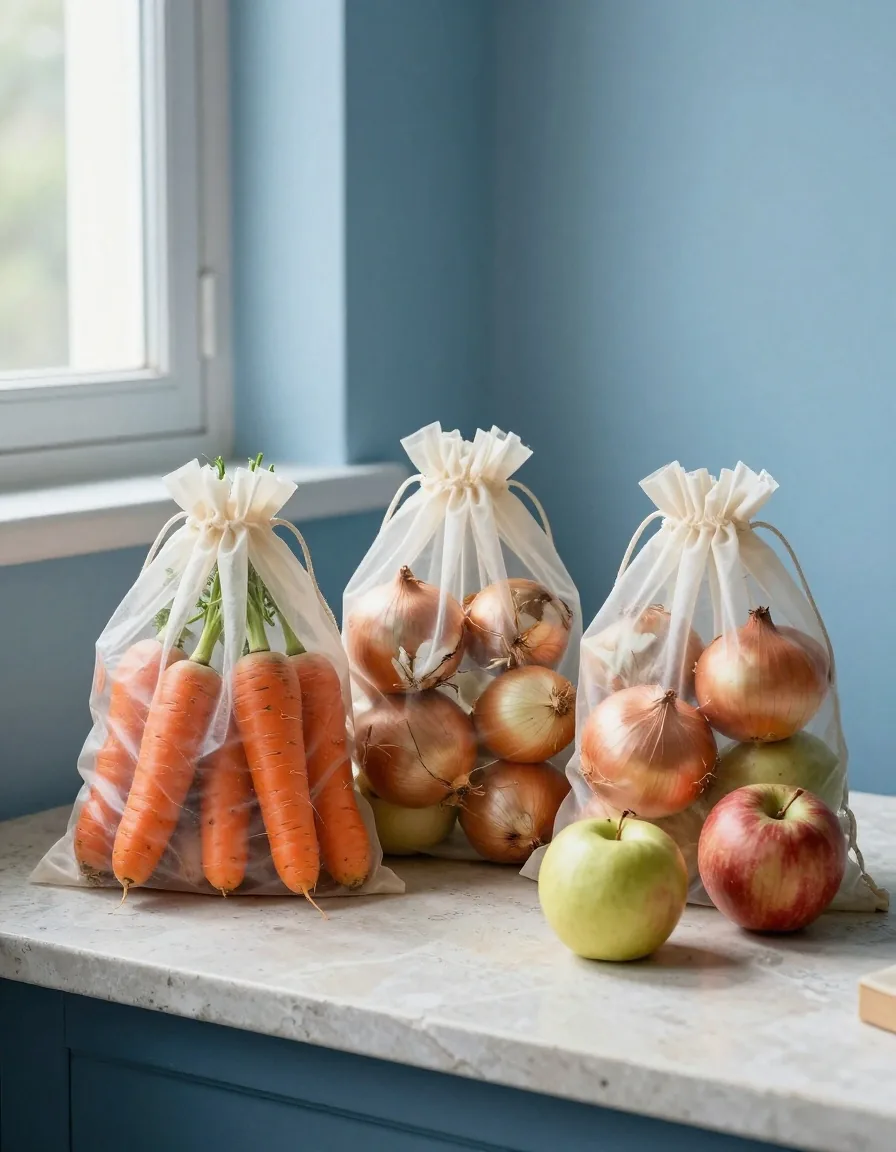
A reusable produce bag guide is simple: keep three in the bag you actually take shopping. Loose carrots and onions arrive home without a single film wrapper.
Stale loaves
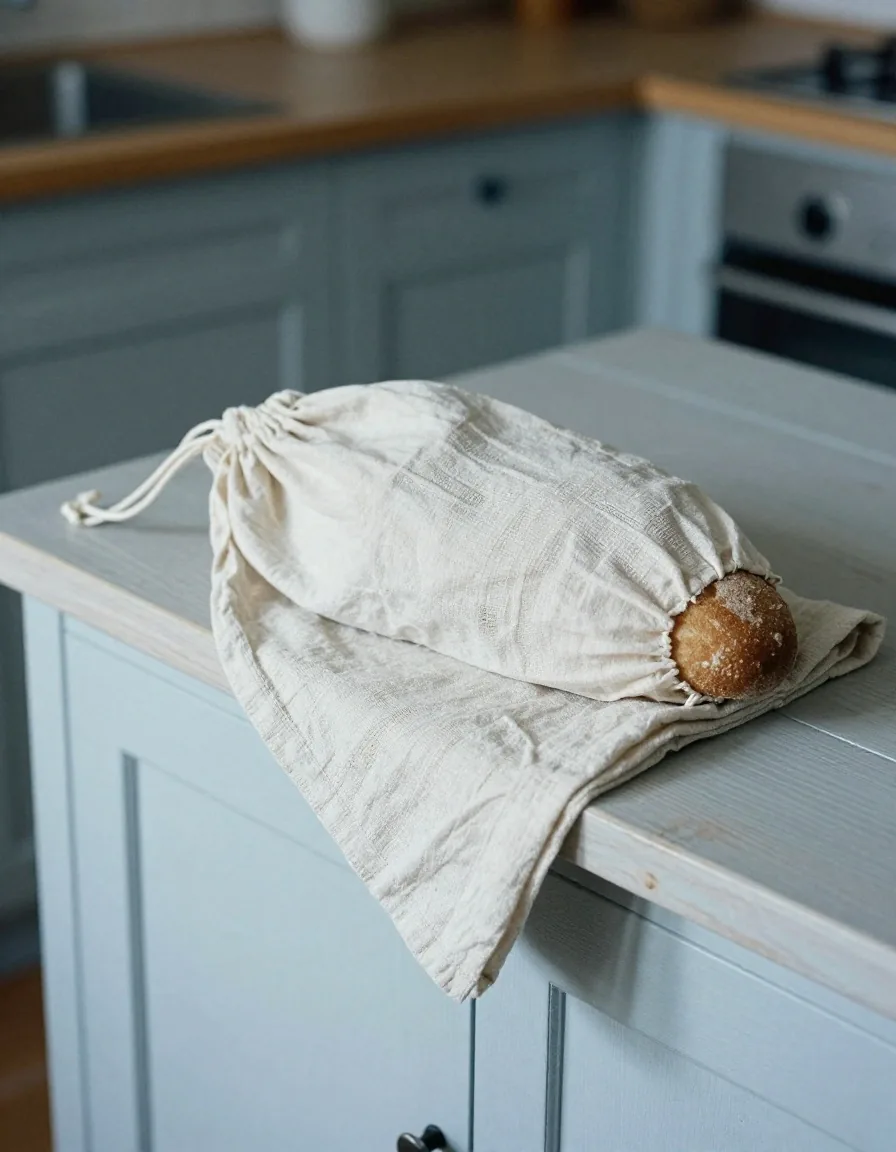
If loaves go stale before you finish them, a cloth or cotton bag holds the crust better than a plastic one. Cheaper over a year and it never runs out.
Kitchen roll
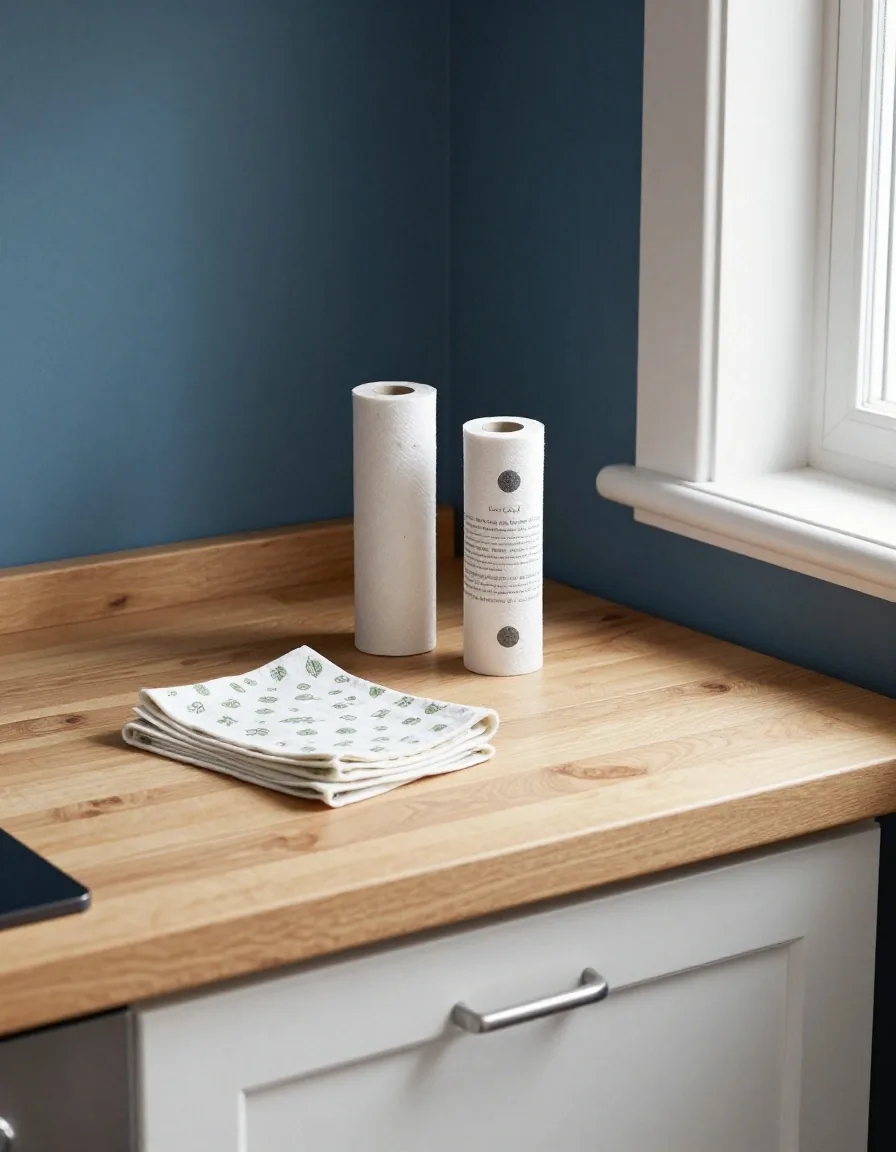
A pile of cloths in the same spot as the kitchen roll replaces the habit without asking you to remember anything. Washable, and one pack lasts years.
This is slower than a full kitchen overhaul, but it's the version that survives a busy month. The Zero Waste Starter Guide walks through this in more detail if you want a structured path.
The order that matters
Recycling gets the most attention and does the least work in the hierarchy. That isn't an argument against recycling. It's an argument for putting it last, because a glass jar you refill beats a glass jar you recycle.
The single-use bag you never take, the meal you cook instead of buying, the size you buy at the right volume. Nothing to store, nothing to sort. This is the step that costs the least effort and saves the most.
Jars get refilled, clothes get repaired, containers get relabelled. You are replacing a purchase with something already in the cupboard. This is where reusing everyday items and creative upcycling ideas sit, and it is usually the cheapest layer of the hierarchy.
Still worth doing well: rinsed, sorted, and put in the right bin for your council. Recycling still uses energy and transport, so it sits at the bottom of the list, not off it.
The fastest wins
Kitchens generate the most waste and offer the fastest wins. Cloth instead of kitchen roll. Loose vegetables instead of pre-packed. A bowl for scraps that goes to compost instead of the bin. None of these require new habits you'll forget by Tuesday.
Our Kitchen & Shopping Swaps guide covers the specifics, and it's the page most visitors should read second.
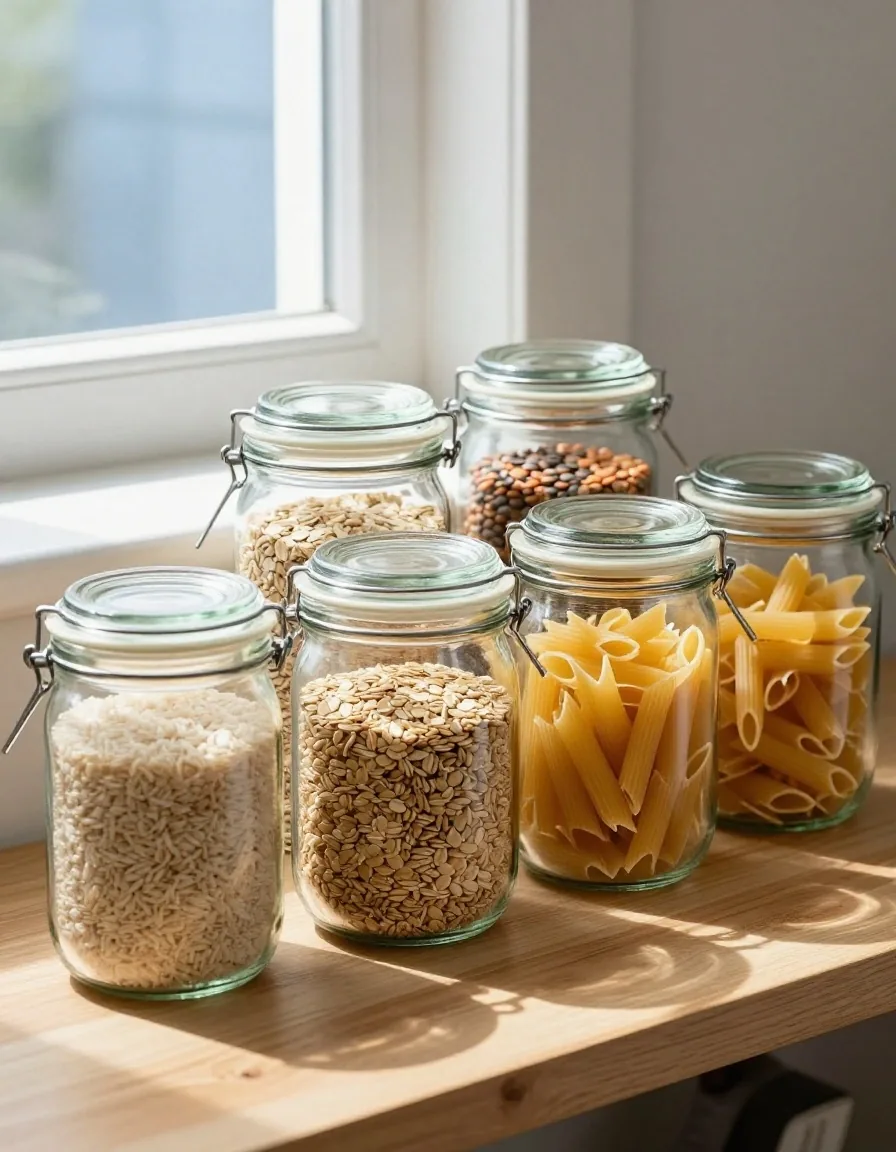
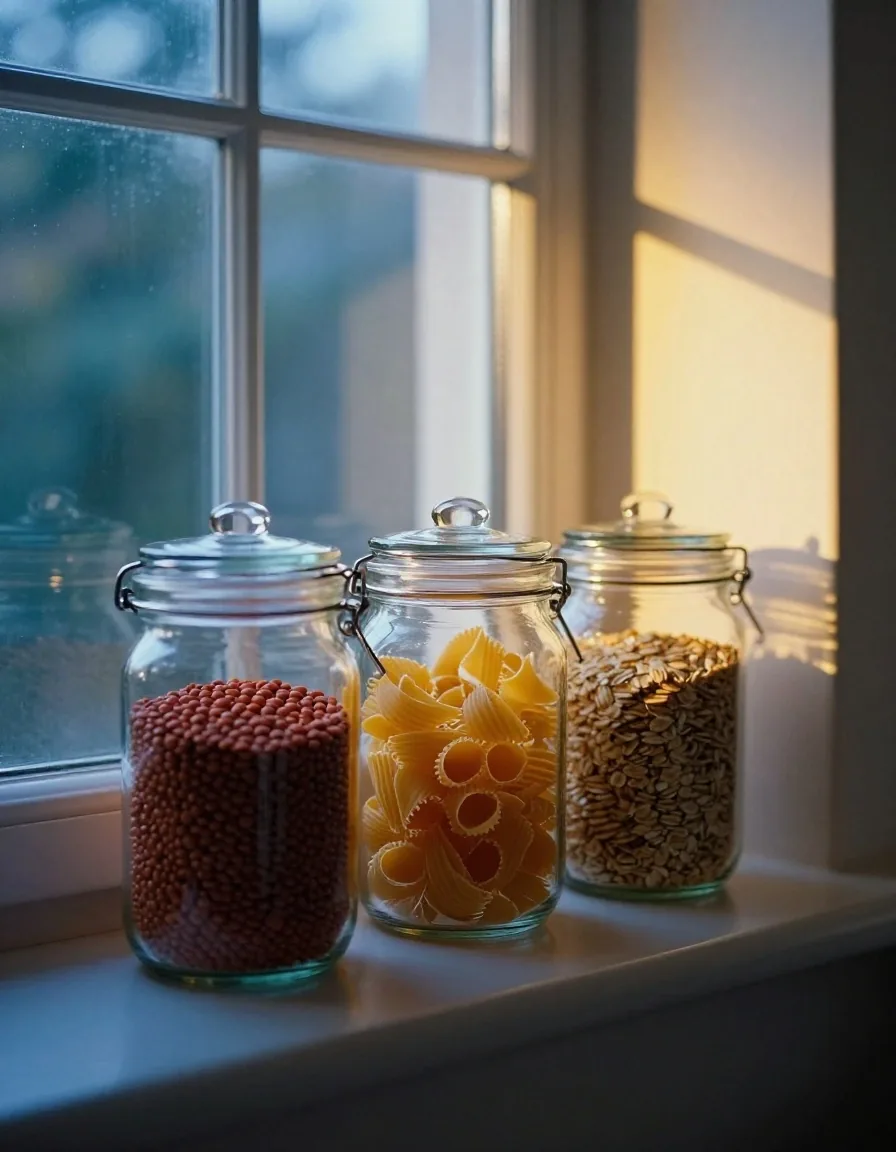
Dry goods, leftovers, and anything that goes stale on a shelf. You already own half the jars you need; the rest arrive with pickles and pasta sauce.
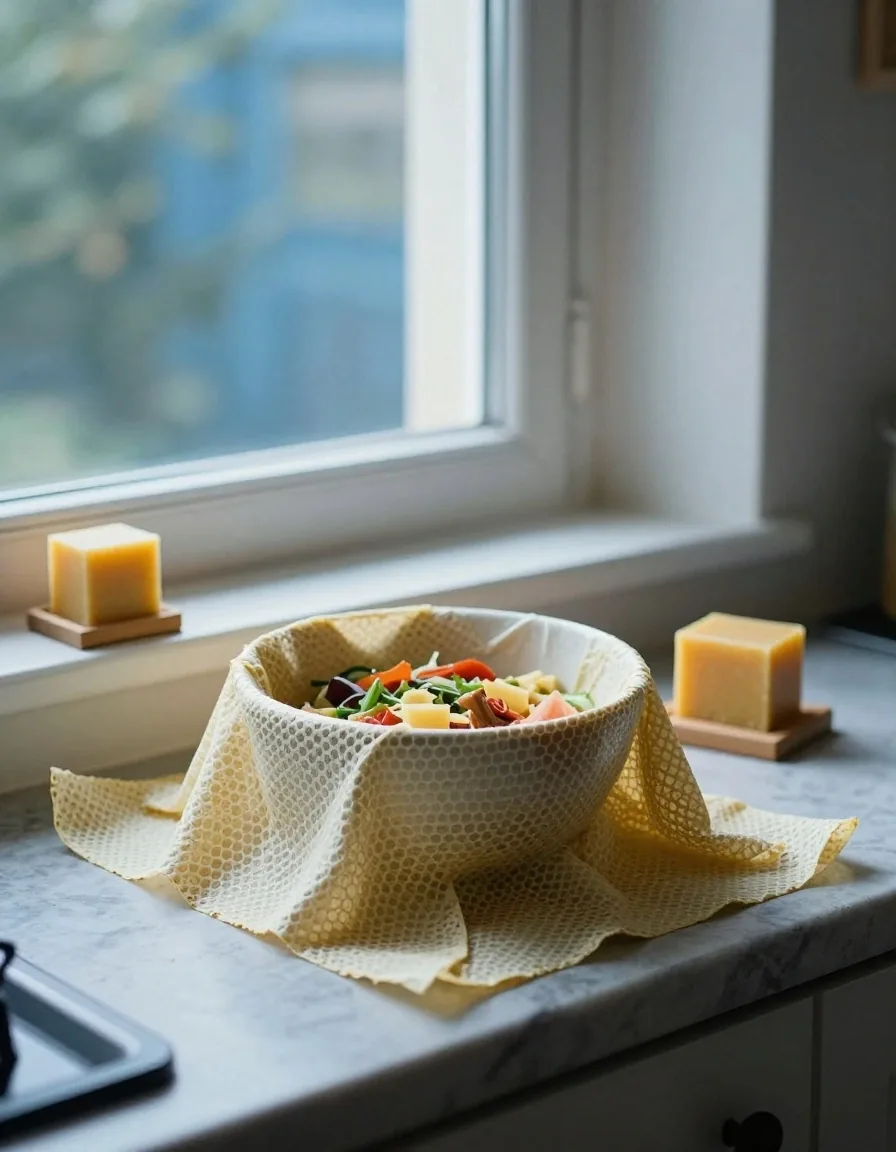
Beeswax wrap usage and care is mostly about temperature. Warm palms seal it to a bowl; raw meat and hot pans are where it stops being the right tool.
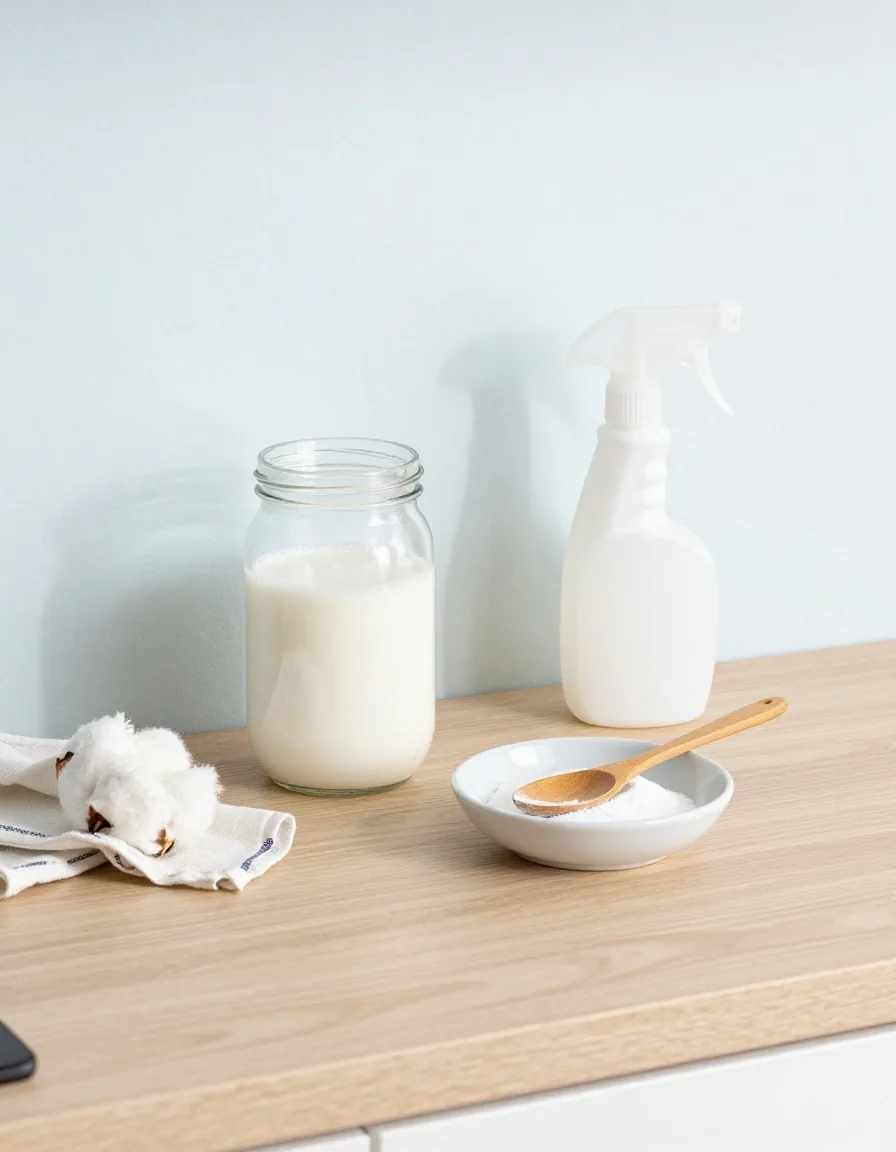
Eco friendly kitchen cleaning rarely needs a product per surface. Vinegar, bicarbonate of soda, and a cloth handle most of what the cupboard under the sink is doing now.
Garden optional
If you have outdoor space, a compost bin turns food scraps into something your plants will use. If you don't, a small countertop system or a council food waste collection does most of the same job. The point is to keep organic waste out of landfill, where it produces methane rather than breaking down usefully.
Composting food scraps at home is less fussy than most guides suggest. The Composting at Home guide covers how to run a bin through a UK winter without it going sludgy.
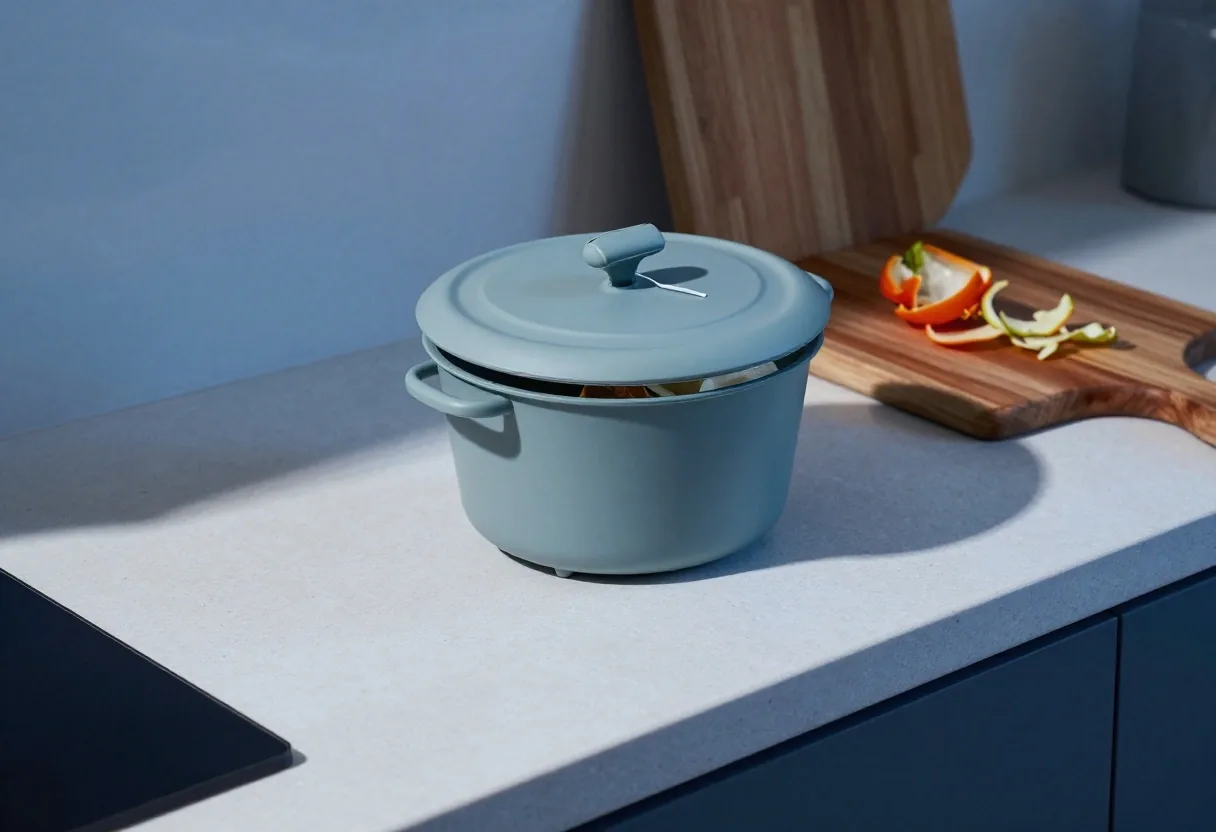
Kitchen scraps are the wet, nitrogen-rich half. Cardboard, dry leaves, and torn paper are the carbon half. When a bin smells, the usual fix is more of the dry half and a stir, not a new bin.
Outdoor bin
Best yield if you have even a small yard. A year of scraps becomes something worth digging into the beds.
Countertop system
For flats and shared kitchens. A sealed caddy that gets emptied weekly keeps the smell out of the room it sits in.
Council collection
The lowest-effort route, and it varies by council. Worth checking what yours accepts before buying anything at all.
Two different words
People use the words interchangeably, but they describe different things. Recycling breaks a material down to make something new, usually in a factory. Upcycling keeps the item intact and gives it a new purpose, usually at your kitchen table.
Both are useful. Upcycling vs recycling difference comes down to energy and distance: one stays in your house, the other leaves it. Upcycling tends to be cheaper, more creative, and more likely to replace a purchase.
Browse upcycling projectsThe material is broken down and remade. Useful, industrial, and the last step in the hierarchy. You don't need a project or an afternoon; you need the right bin.
The item stays whole and gets a new job. Ten minutes at the kitchen table, usually zero cost, and a purchase you no longer have to make.
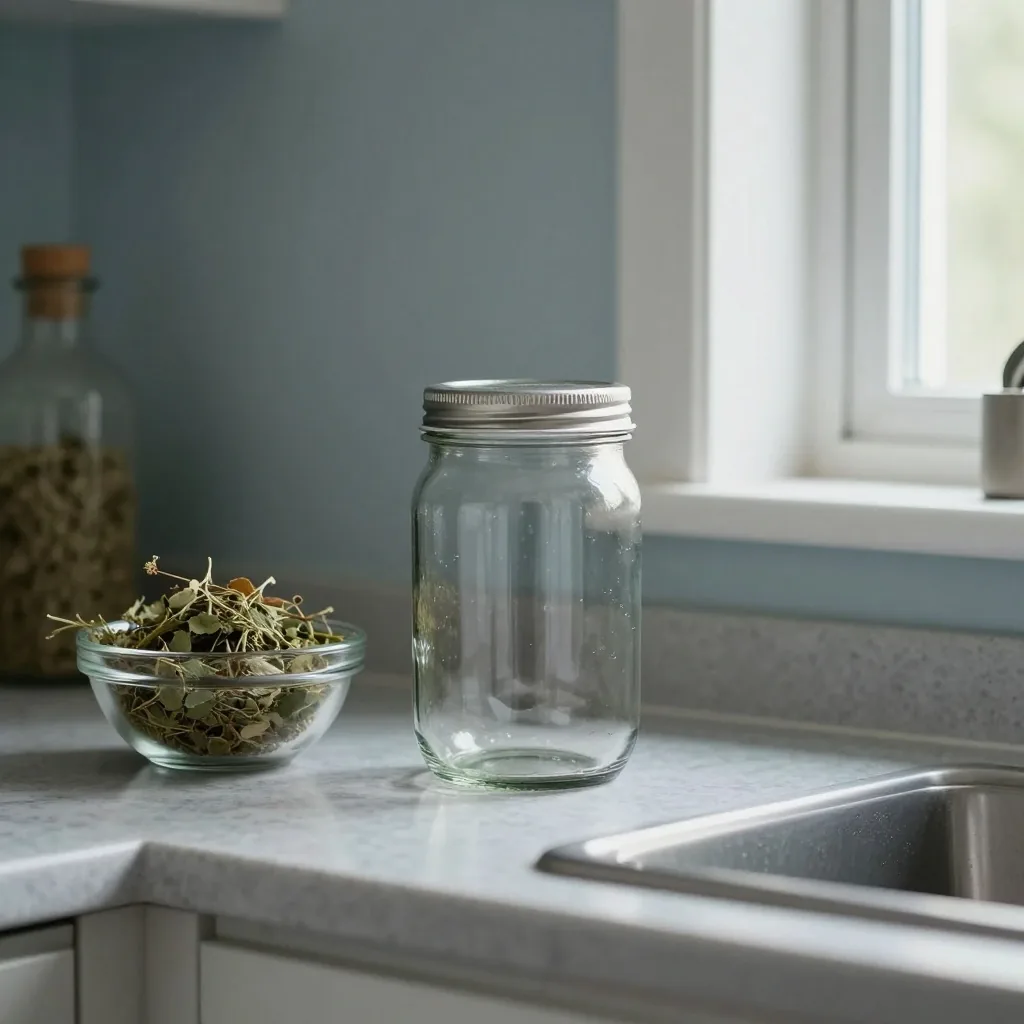
How to upcycle glass jars is the easiest entry point there is. A cleaned jar with a new lid makes a decent pen pot, spice container, or bathroom storage. It takes ten minutes and costs nothing. The Upcycling Projects page has ideas grouped by material: glass, textiles, wood, and paper, from simple upcycling projects to longer builds.
The quiet part
Motivation fades. Systems don't. Keep a bag for donations by the door so it leaves the house. Keep cloths where the kitchen roll used to sit. Put the compost caddy next to the chopping board, not under the sink.
Small changes in where things live make the right choice the easy one. This is the whole idea behind GreenLoop: reduce friction, repeat what works, and don't moralise about the days you fall short. A household that composts and shops loose is already doing more than most.
When the bag lives by the exit, clearing a wardrobe becomes a ten-second job instead of an afternoon.
Scraps go in the bowl on the counter, not in a bin under the sink you have to open with one hand.
The pile sits exactly where the roll used to. You reach for the nearest thing, so make the nearest thing the reusable one.
One change at a time, held long enough to become automatic. That is the pace that stacks across a year.
Who this is for
Renters without gardens. Families with young children. Students in shared flats. People who cook most nights and people who don't. The advice adapts, because a home with no outdoor space has different options from one with a garden and a shed.
If a guide assumes something you don't have, there's usually a note on the alternative. How to buy in bulk, for example, works differently in a small flat than in a house with a pantry. Eco friendly living ideas only help if they fit the space you're standing in.
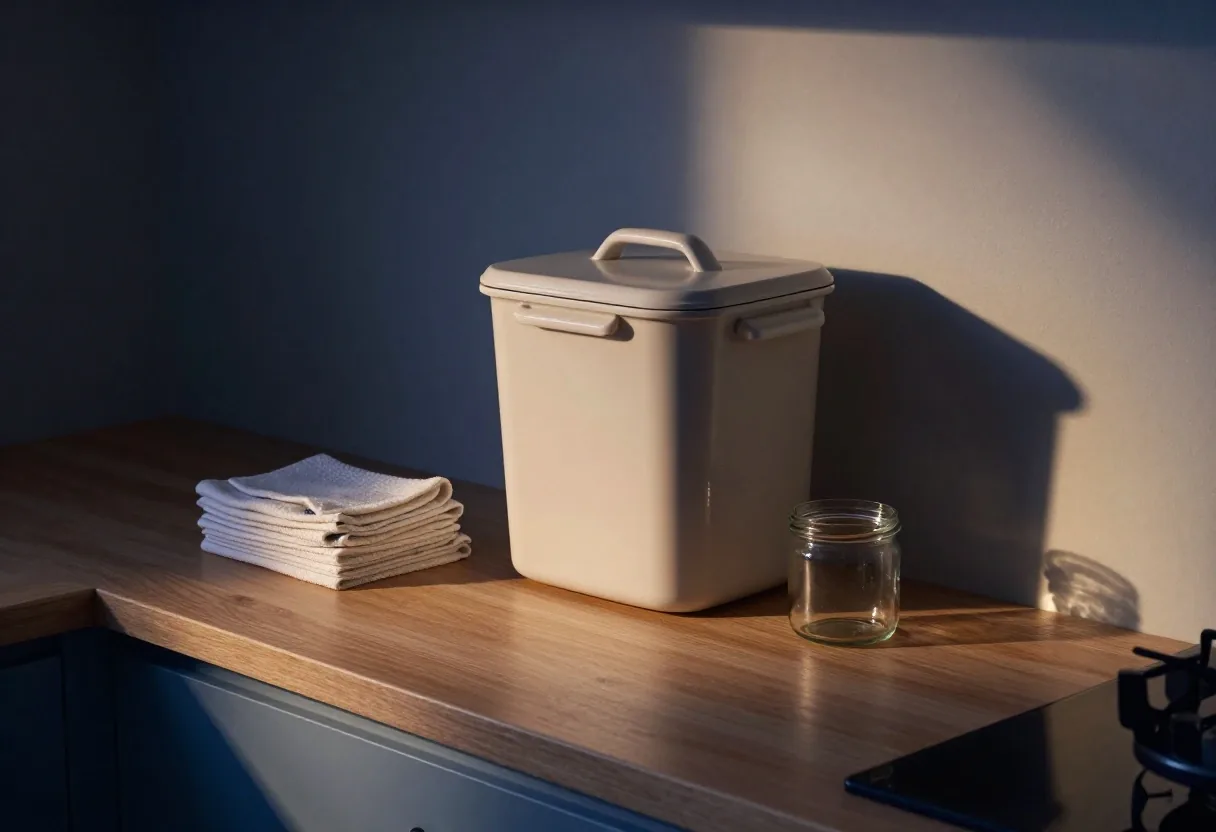
Indoor caddy or council collection replaces the outdoor bin. Countertop swaps carry almost all of the weight here.
More volume, less time. Repurposing old clothes into cloths and cloth wipes pays off fastest in a house with young kids.
Anything you keep in a communal cupboard needs to be obvious. Labelled jars and one shared caddy survive flatmates better than a private system.
Bulk buying becomes genuinely cheaper once you have cool, dark storage. Without it, buy smaller and more often.
Straight answers
GreenLoop Living is a UK-focused editorial resource. We publish guides, project ideas, and practical tips. We are not a shop, we don't sell products, and we don't run a certification scheme. If a guide recommends a method, it's because it's widely used and easy to try, not because anyone paid for the mention.
Where we're unsure, or where practice varies by council, region, or home type, we say so. If you spot something wrong, the contact page is the fastest way to flag it.
Guides are reviewed and updated as practices change, and we remove advice that no longer holds up. We'd rather have twenty solid pages than two hundred thin ones. Suggestions for new topics are welcome: if there's something you've struggled to find a clear answer on, tell us and it goes on the list.
No. Most starter kits sell you things you already own: a water bottle, a tote bag, a few jars. Start with what's in your cupboards before spending anything. Zero waste starter kit shopping is the most common first mistake.
It's usually cheaper. Buying loose produce, repairing clothes, and composting food scraps all reduce spending. The cost comes from buying new eco products you don't need, which is why we keep pointing back at the cupboard you already have.
Yes. Composting can be done indoors or through council food waste collection, and most kitchen swaps don't require outdoor space. Plastic free alternatives in the kitchen work just as well on a small counter as on a big one.
Pick one thing you do daily and swap it. A reusable bottle, a produce bag, or a cloth for kitchen roll are all low-effort starting points. Pick the one that touches something you already buy every week.
Start here if you're new
Read the Zero Waste Starter Guide, pick one swap, and try it for two weeks. When that feels normal, add a kitchen change from the Kitchen & Shopping Swaps guide. Then, once you're comfortable, look at composting or an upcycling project.
No single step is dramatic. Stacked over a year, they change what your bin looks like and what you spend.
Where to go next
There is no perfect order and nothing to sign up for. Start wherever your bin is heaviest, or send us the topic you keep failing to find a clear answer on.
Questions or corrections: [email protected] · Monday to Friday, 9:00 AM – 6:00 PM