GreenLoop Living · Upcycling Projects & Ideas
Upcycling projects you can start today
Upcycling is the practice of taking something you already own and giving it a new job, usually without breaking it down first. It is cheaper than buying new, it keeps useful material out of the bin, and most simple upcycling projects take an afternoon or less. This page collects ideas you can start with what is already in your home.
You do not need a workshop. A kitchen table, a few basic tools, and a willingness to experiment will cover most of the projects here.
Clean, label-free, ready
Rags, totes, covers
Sand, oil, repaint
Dividers and liners
Two different routes
Upcycling versus recycling, clearly
Recycling sends a material away to be broken down and remade, usually in an industrial process. Upcycling keeps the item intact and reuses it as is, or with minor modification. The upcycling vs recycling difference comes down to how much of the original object survives.
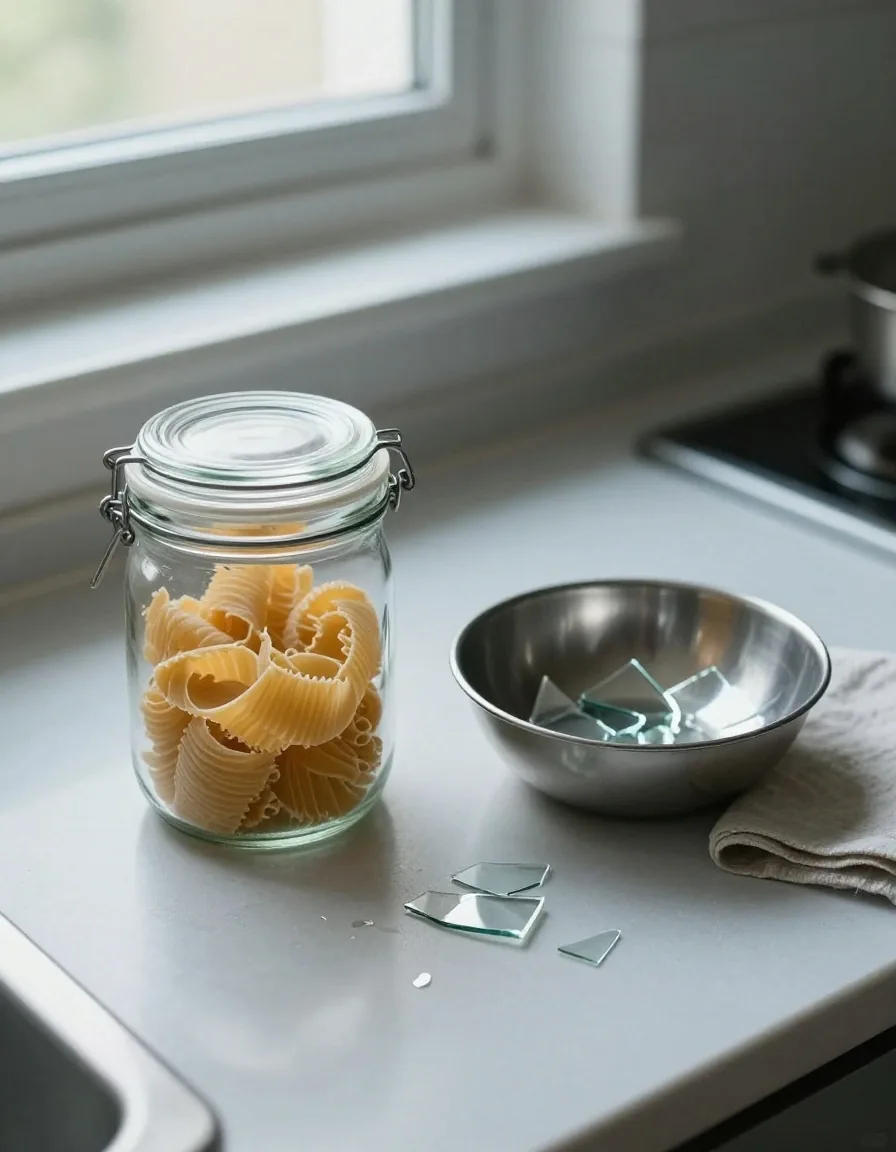
A glass jar recycled becomes cullet that might become another jar. The same jar upcycled becomes a spice container, a pen pot, or a planter. Both have a place in a low waste home guide.
Upcycling tends to be cheaper, faster, and more likely to replace a purchase outright. You decide the second life, and you usually start this afternoon rather than next collection day.
Recycling is the fallback when an item has genuinely reached the end of its useful life. Knowing when to stop is part of how to reduce household waste without turning your spare room into a stockpile.
Start here
Start with glass jars
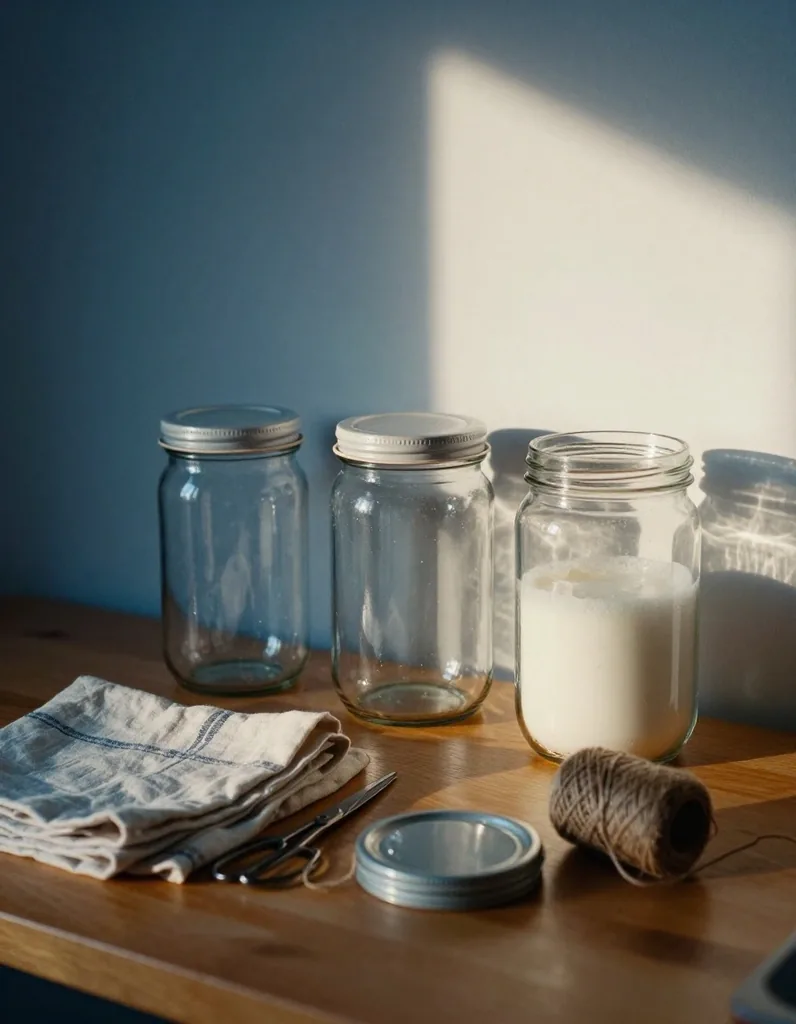
Kitchen and shopping swapsGlass jars are the easiest upcycling material in any kitchen. Wash them, remove the label (soak in warm water with a spoon of bicarbonate of soda), and you have a free storage container. Lids can be painted, labelled, or left as they are. This is one of the simplest reusing everyday items habits you can build.
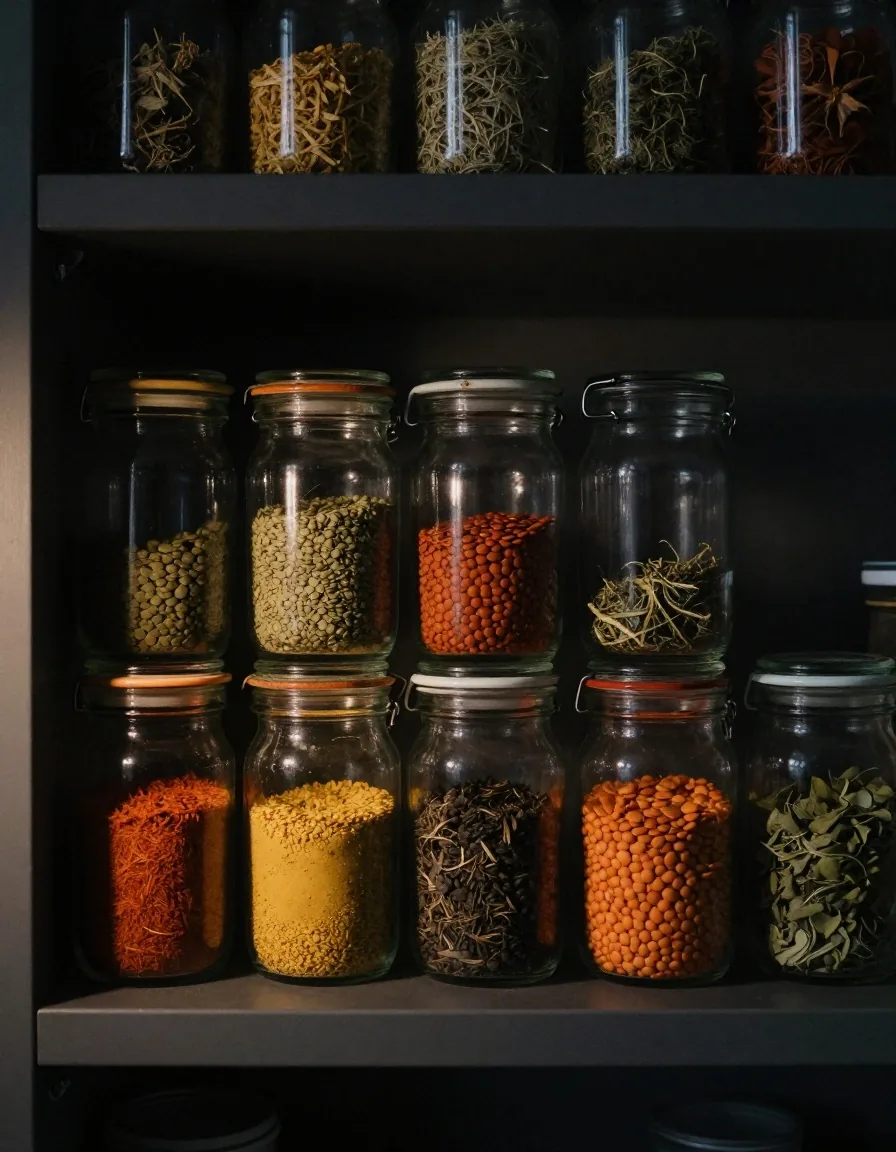
Spice jars and dry storage
A jar with a chipped rim is still fine for dry goods as long as the chip is not sharp. Match jar to lid, then group by size so the shelf stays readable.
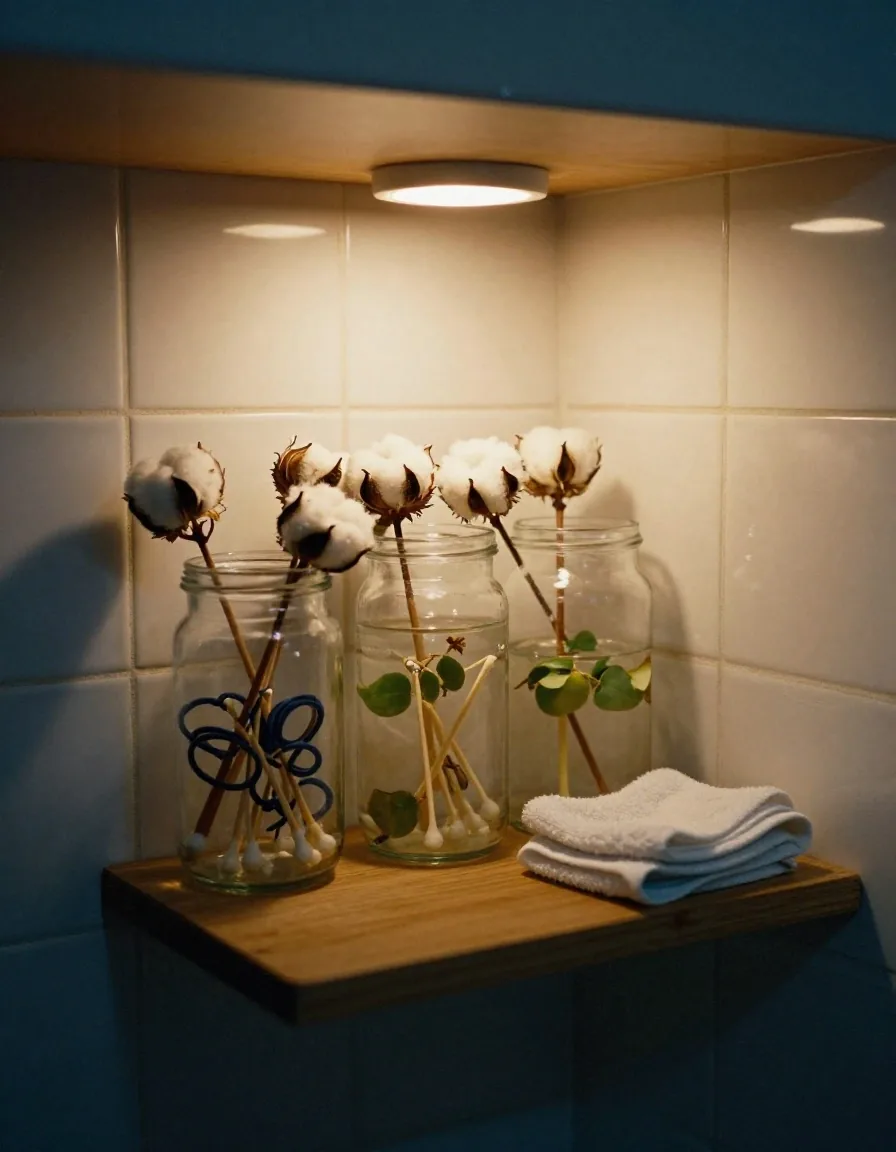
Bathroom and pen pots
Cotton buds, hair ties, brushes and pens all behave better in a jar than loose in a drawer. One size for the bathroom, a shorter one for the desk.
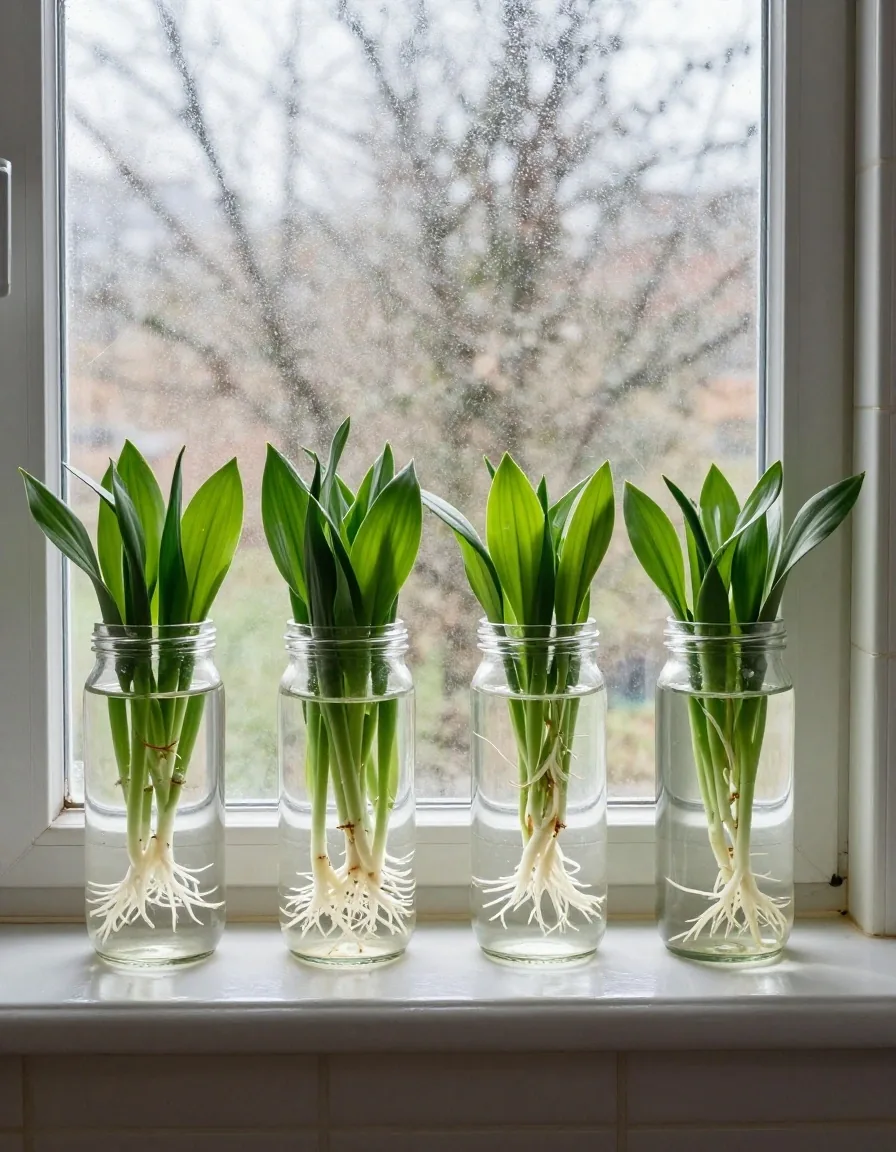
Propagation vessels
A tall jar on a bright sill is all a cutting needs. Change the water twice a week and the roots stay healthy through the colder months.
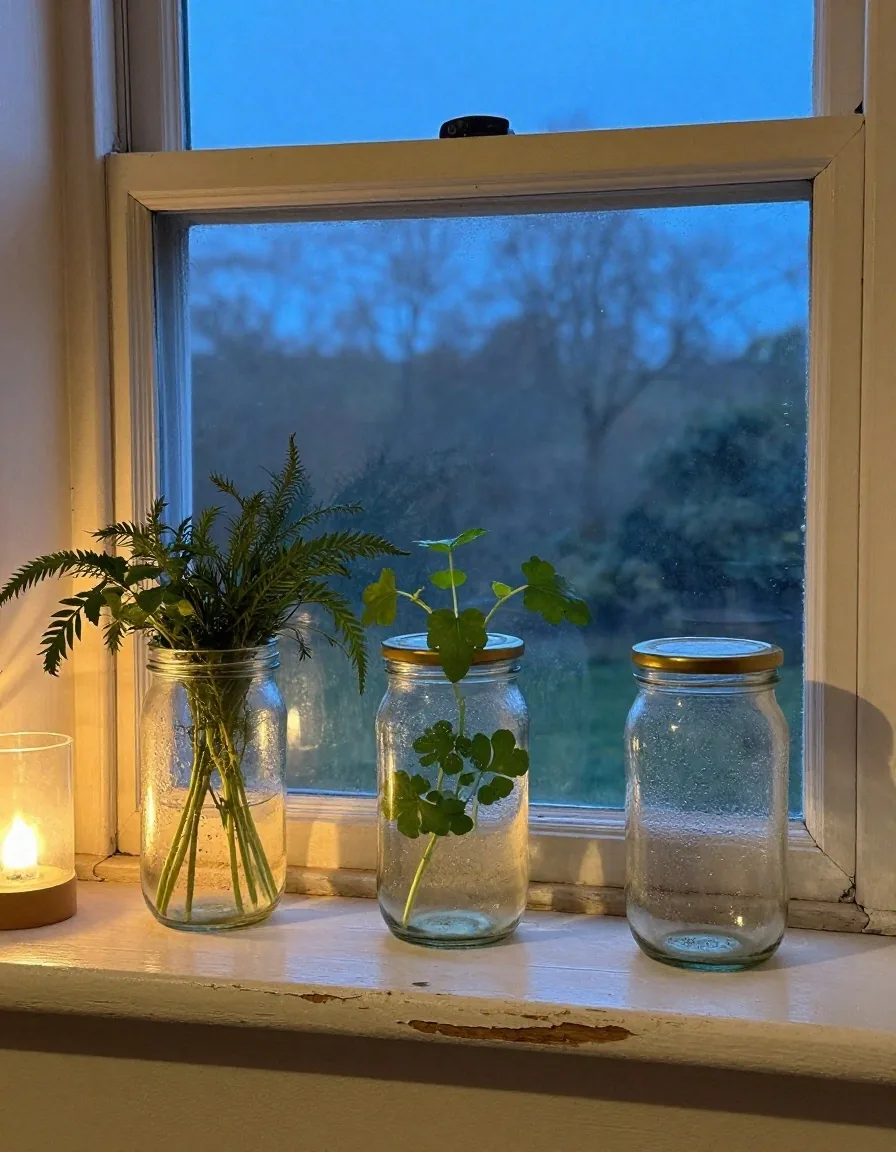
Kitchen planters
An upward-facing jar with a few drainage stones grows basil and mint well on a bright sill. The lid makes a free saucer underneath.
The biggest pile in the house
Repurposing old clothes
Textiles are the second-biggest upcycling opportunity in most homes. Nothing here needs a sewing machine, and if you do not sew, the no-sew routes below still produce something you will actually use.
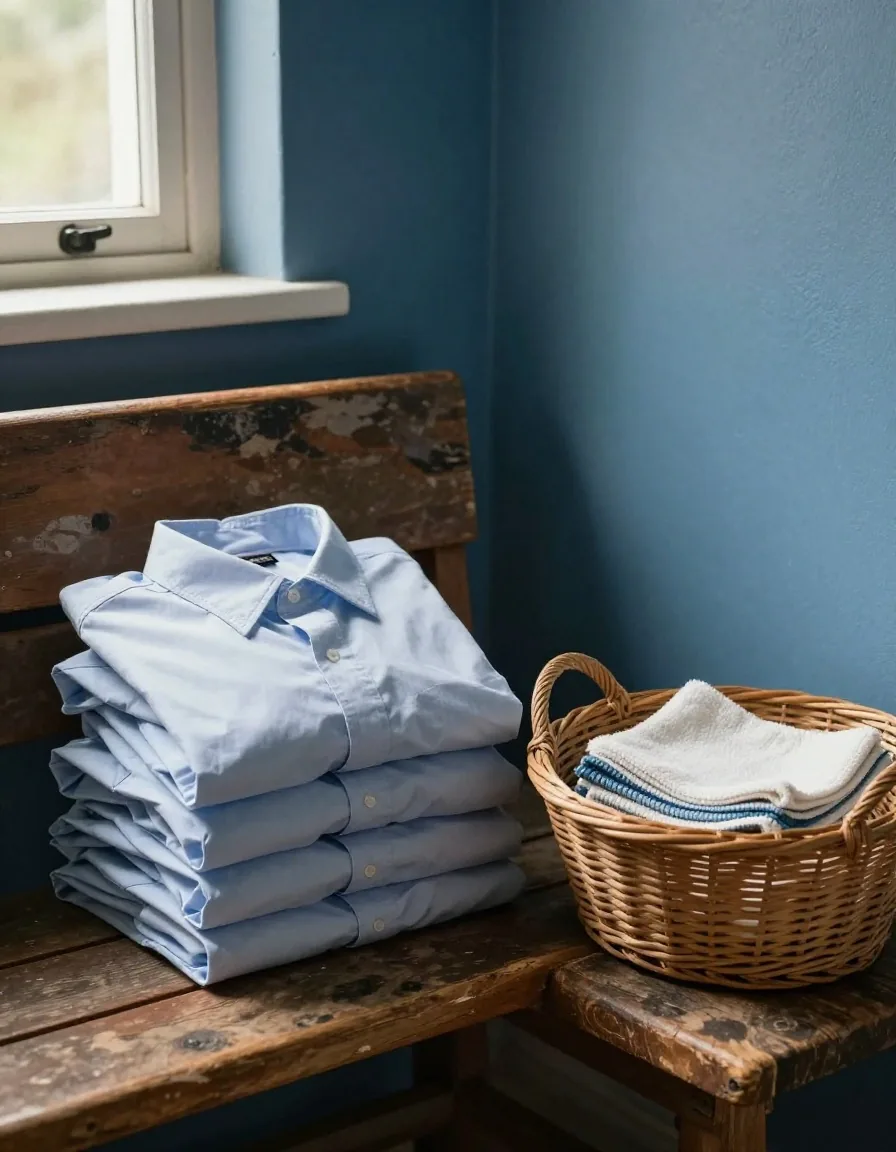
Shirts into cleaning rags
A shirt with a worn collar becomes cleaning rags in about ten minutes. Cut along the seams, keep the buttons in your useful-junk box, and hem the squares if the fraying bothers you.
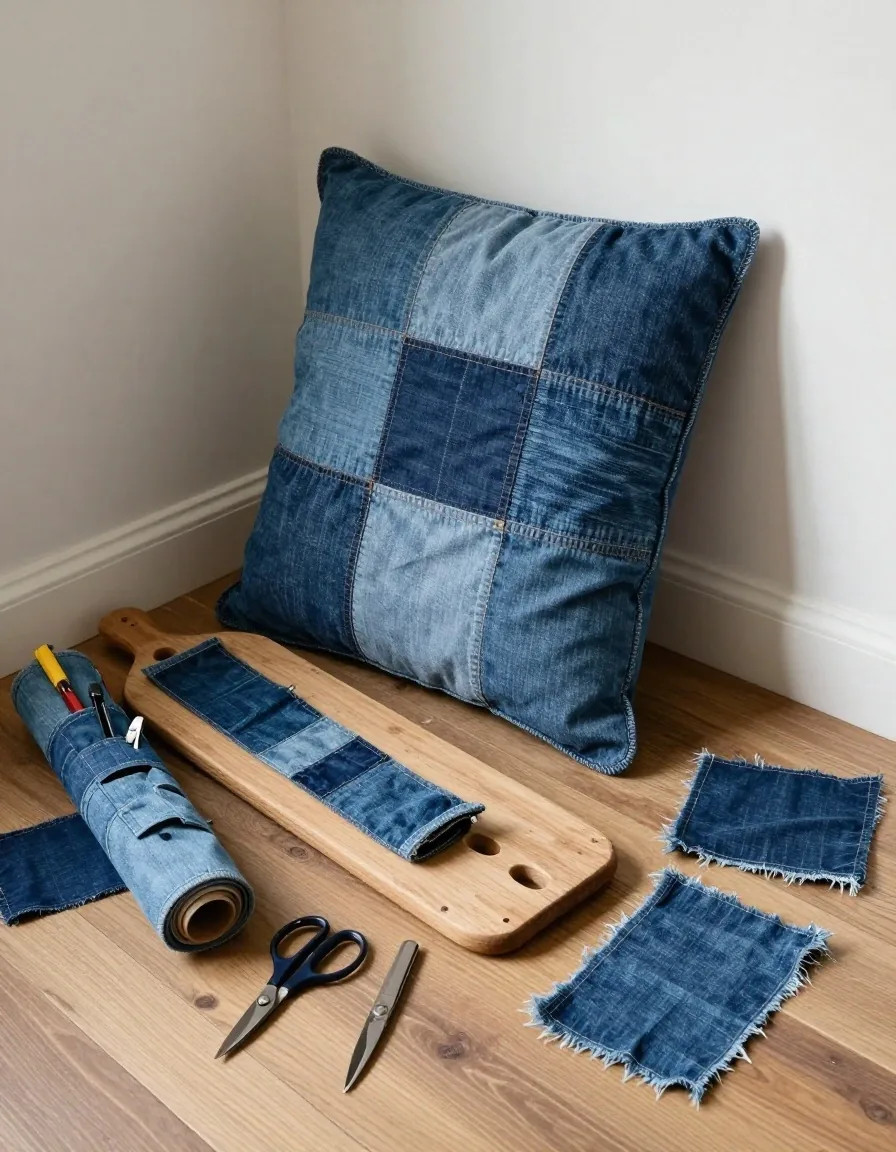
Denim into cushions and totes
Denim jeans become a patchwork cushion cover, a tool roll, or a sturdy tote bag. Denim is heavy enough to hold a shape, which is why it is the friendliest textile for a first attempt.
Jumpers into felt
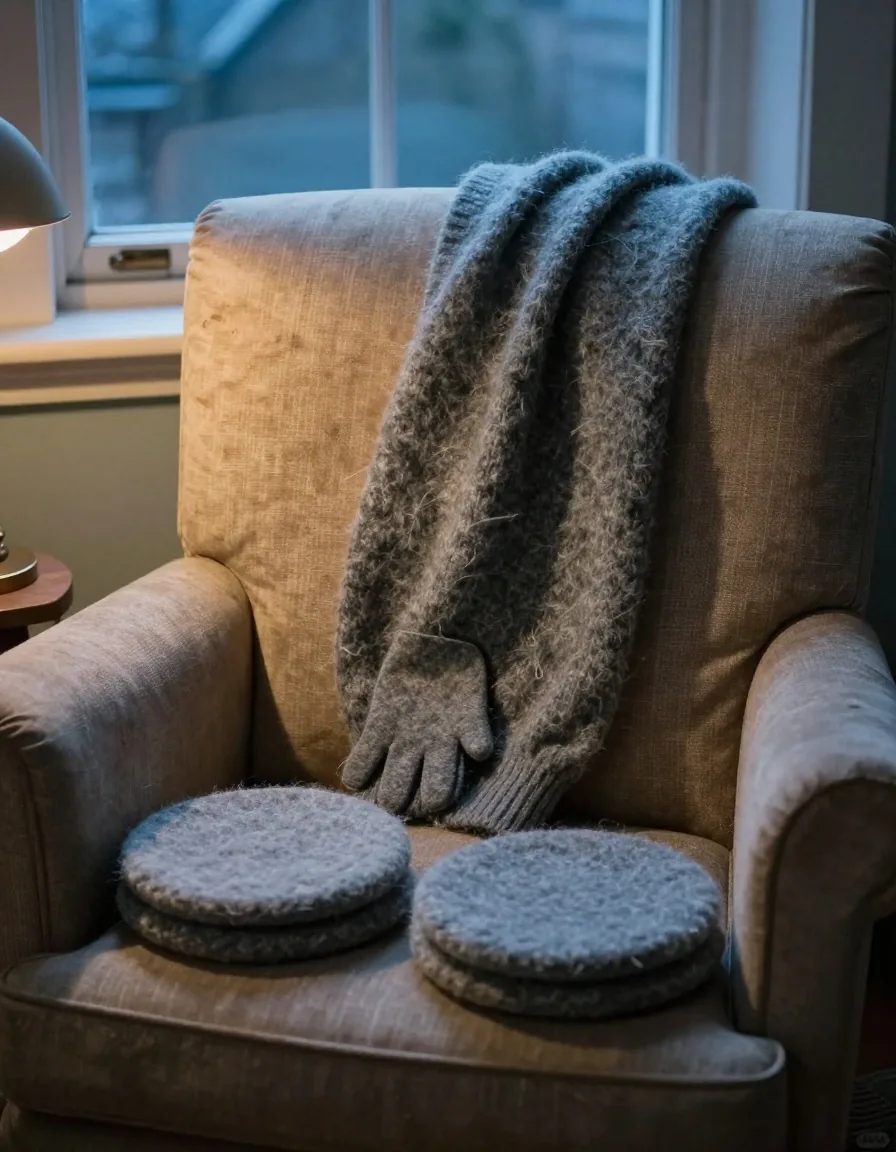
Old jumpers can be felted in a hot wash and cut into coasters or mittens. Felting stops the knit unravelling, so a jumper that has shrunk is still worth keeping.
If you do not sew, start with no-sew projects: cutting a t-shirt into a produce bag, or turning a jumper into a draft excluder. A basic running stitch can be learned in an evening from a short video, and it covers nearly everything on this page.
No tools required
Upcycled home decor without a workshop
Some of the best upcycled home decor DIY needs no tools at all. The trick is to look at an object and ask what shape it is, rather than what it was sold as. A tall cylinder stores things. A flat rectangle displays them. A box hides them.
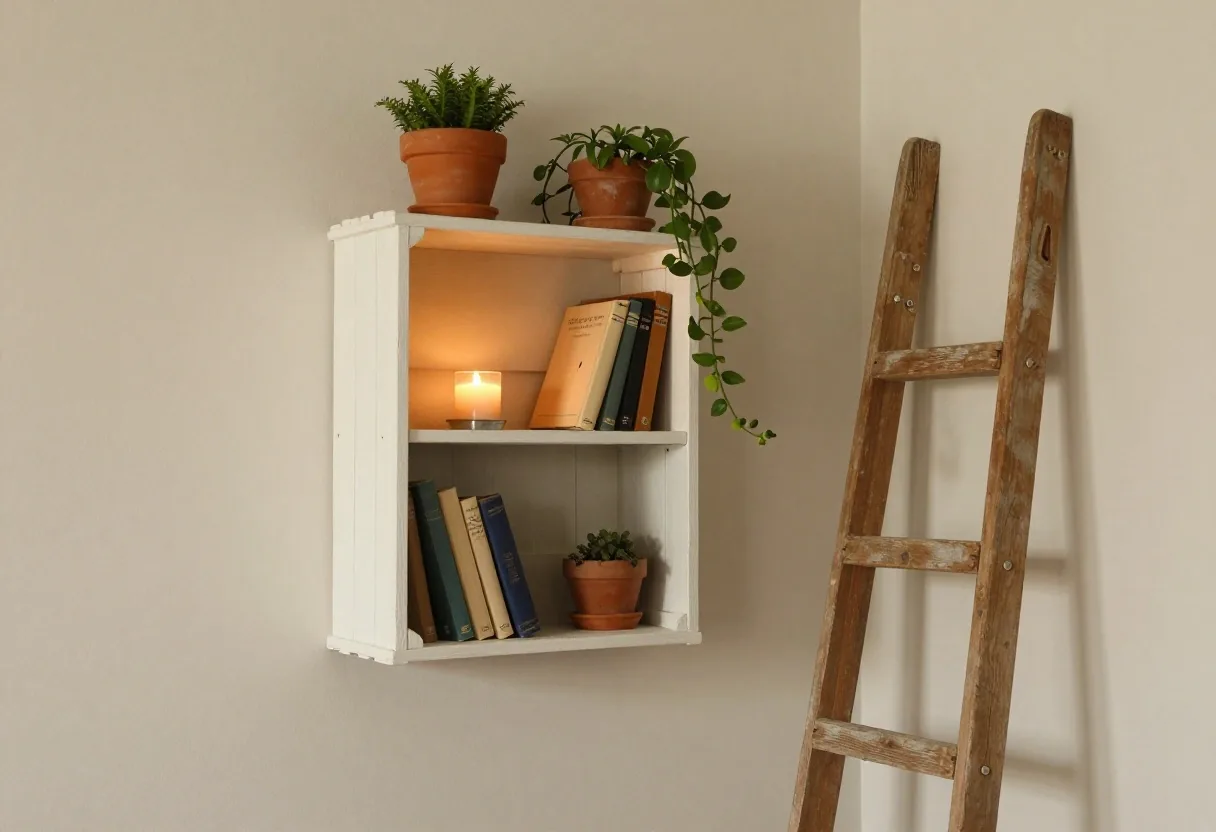
- Crate A wooden crate becomes a shelf with a coat of paint. Leave the stencil marks alone if you like them; they usually read as character rather than damage.
- Ladder An old ladder becomes a plant stand. Lean it against a wall, check it cannot slide, and weight the bottom rung with a heavy pot.
- Tins Tin cans with the labels removed become herb planters or utensil holders. Sand the cut edge, and give the inside a coat of paint if it will hold soil.
A bigger afternoon
Wood and furniture, when you want a bigger project
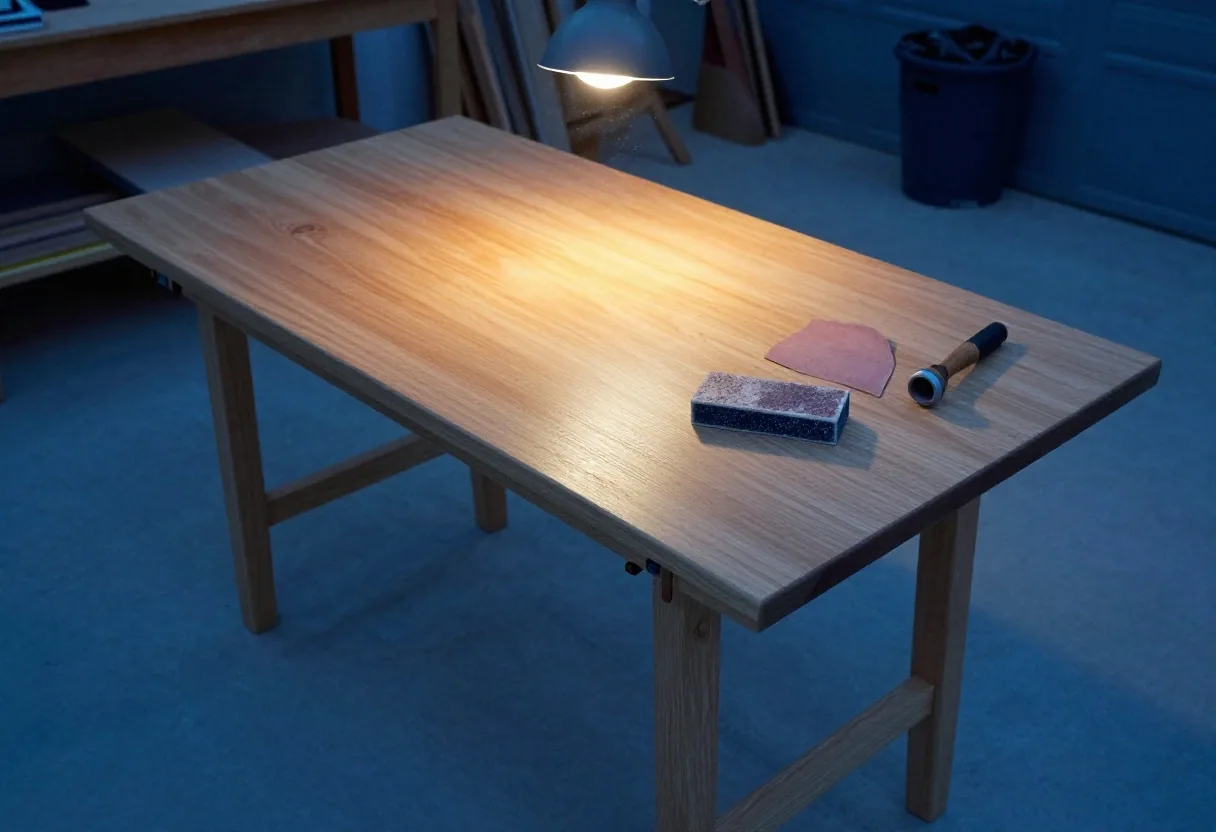
Furniture upcycling takes more time but often saves the most money. A solid wood table with a scratched top can be sanded and re-oiled in an afternoon. A dated chest of drawers can be repainted and given new handles. Chairs with wobbly joints usually just need glue and a clamp.
Check whether an item is solid wood or veneer before sanding. Veneer is a thin layer over particle board and cannot take heavy sanding. If it is veneer, paint is usually the better route, and a good primer does most of the work.
Packaging
Paper, card, and packaging
Cardboard boxes, wrapping paper, and paper bags have plenty of second lives. Boxes become drawer dividers, storage for seasonal items, or compost browns. Old maps and wallpaper offcuts become drawer liners or framed art. Paper bags become book covers or seedling pots. Keep a small stash of clean cardboard for projects, but do not hoard: if it has not been used in six months, it goes to recycling.
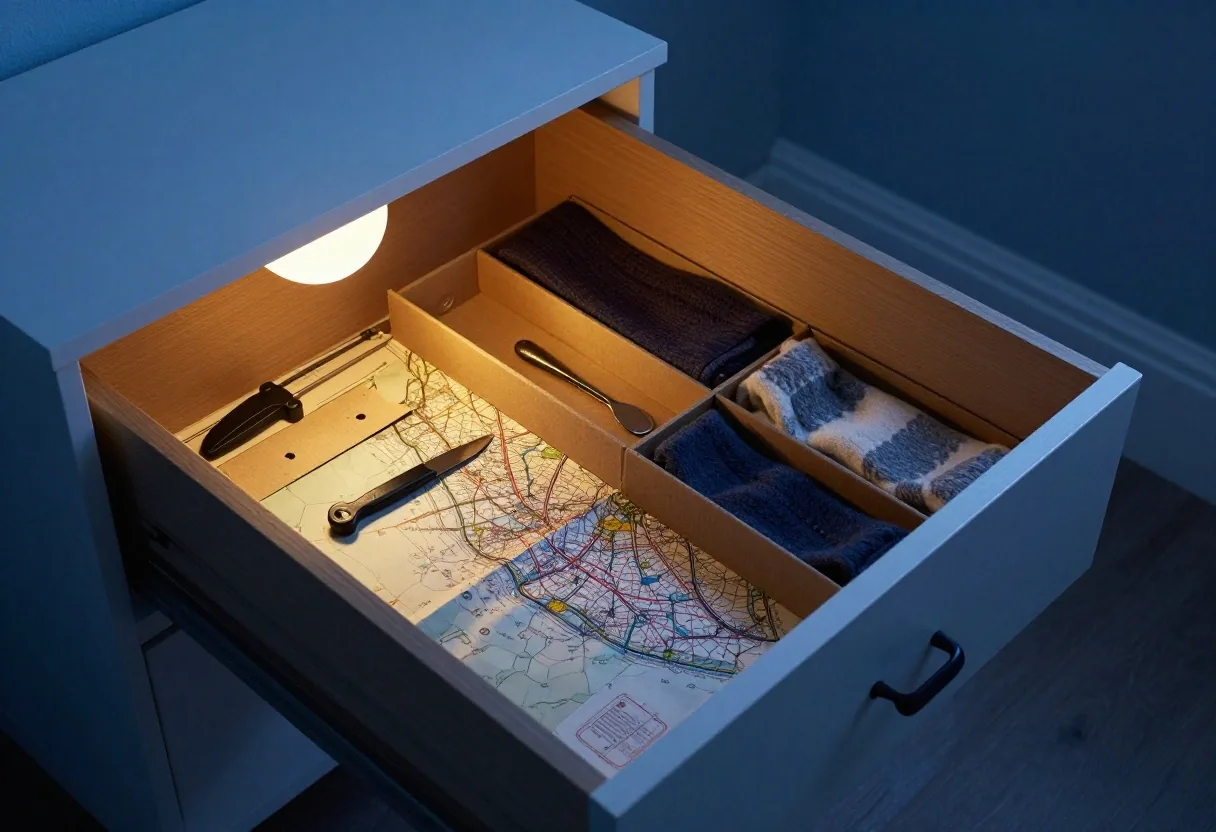
Cardboard inserts make a drawer readable again in one afternoon.
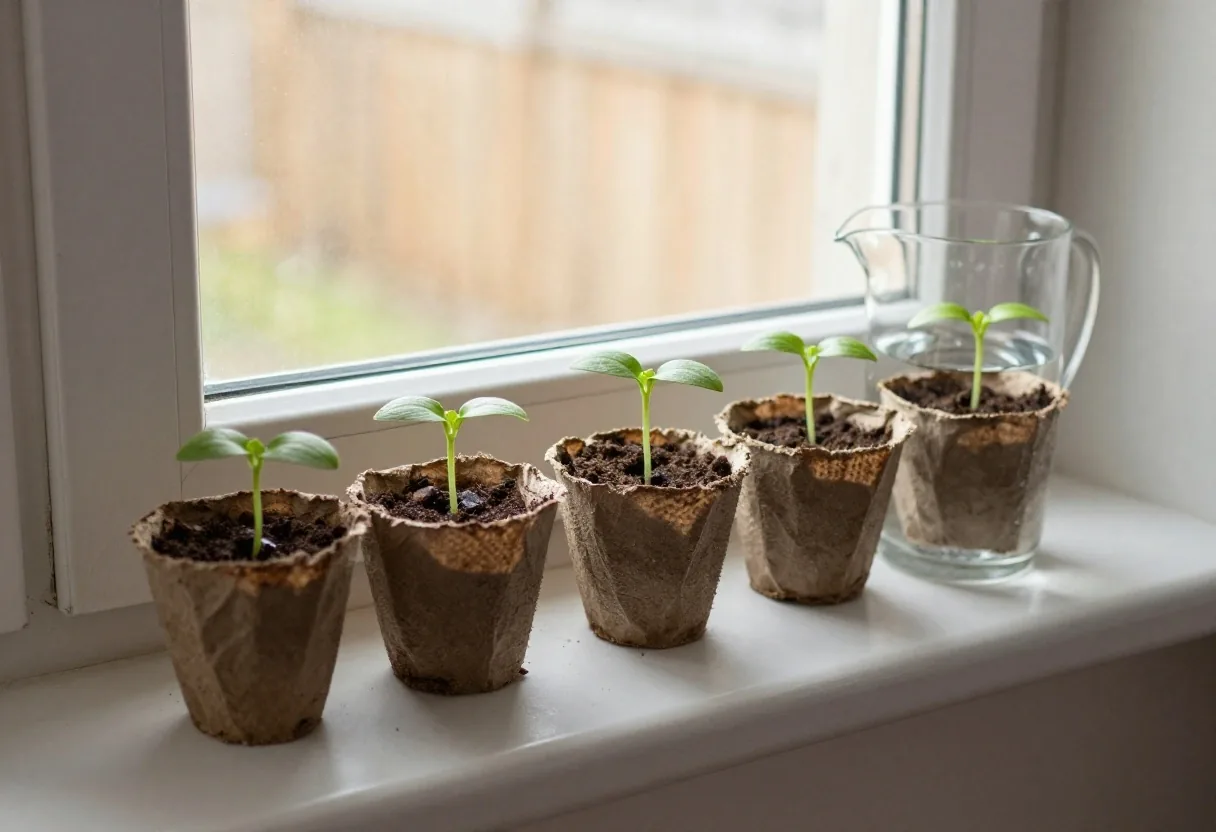
Paper bags fold into seedling pots you can plant straight out.
Keep these close
Tools and materials worth keeping
A basic upcycling kit is small: scissors, a craft knife, sandpaper, a screwdriver set, wood glue, and a couple of paintbrushes. Add a sewing kit with needles, thread, and a seam ripper if you plan to work with textiles.
Keep a box of useful junk: jar lids, odd buttons, short lengths of ribbon, fabric offcuts. It saves a trip to the shop mid-project and gives you options when something does not work as planned.
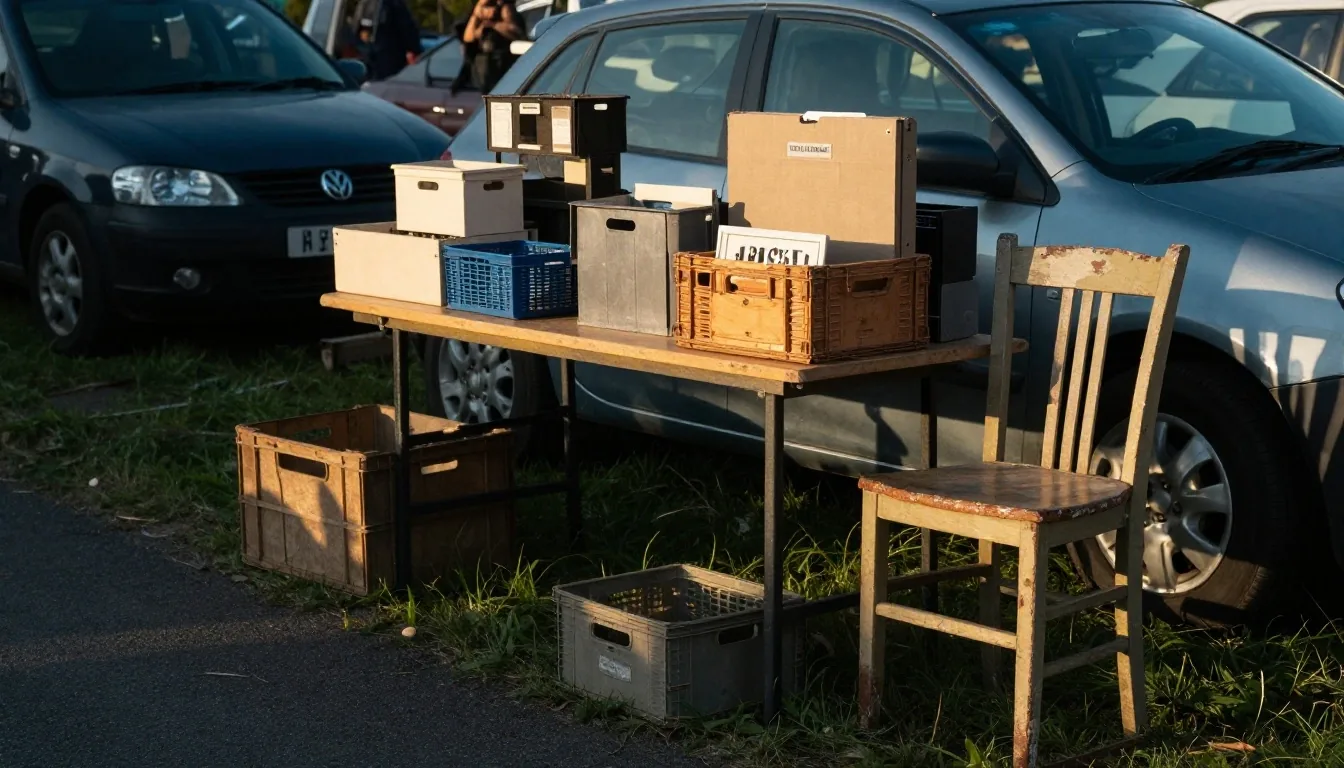
Where to find things to upcycle
Charity shops, car boot sales, and online marketplaces sell furniture and materials cheaply. Freecycle and similar groups often list items for collection. Before buying anything new for a project, check whether you already own a suitable item.
The best candidate is something with good structure and bad surface. Solid wood under chipped paint is a bargain. Flimsy construction under a nice finish usually is not worth the effort.
The part people skip
Finishing matters more than the idea
A rough finish makes even a good project look second-hand. Sand between coats of paint. Wipe dust off before varnishing. Let glue cure for the full time on the bottle, not the time you have available. These three habits separate a piece you keep from one you quietly move to the shed.
If a project is for a child, check that any paint or finish is safe for the surface it will touch. Food-safe finishes exist for items that will hold food, and they are worth the extra cost on a bread bin or a fruit bowl.
When to stop and recycle instead
Not everything should be saved. Items with mould, pest damage, or structural failure are usually best recycled or disposed of properly. Safety matters more than sentiment, and a wobbly chair is not a project — it is a hazard.
If a project has sat unfinished for a year, either finish it this month or let it go. Upcycling should not become a storage problem of its own.
Common questions
Before you pick a first project
What is the easiest first upcycling project?
A glass jar with a clean label. Soak it, remove the residue, and use it for storage. No tools required, and you will know within ten minutes whether the size suits your shelf.
Do I need to be good at DIY?
No. Most beginner projects use scissors, glue, and paint. Furniture work is optional and can wait until you have a spare afternoon and a clear idea of what you want to change.
Is upcycling always better than buying new?
Usually, because it avoids manufacturing and transport. But if a project needs a lot of new materials, the benefit shrinks. A sanded and re-oiled table beats a flat-pack replacement; a painted box that needed three tins of primer is closer to a wash.
Where does this fit with a low waste home?
Upcycling sits alongside the other sustainable lifestyle habits on this site: kitchen and shopping swaps, composting food scraps at home, and buying in bulk where it reduces packaging. Start with the material you have most of, and let the rest wait.
Keep the loop going
Pick one item this week and give it a second job
Start with the jar on your shelf or the shirt at the back of the drawer. If you would rather cook than cut, the kitchen swaps guide covers the storage and cleaning side, and the composting guide takes the scraps that are left over.
Questions about a project, or something you would like us to cover? Write to [email protected] or call +44 20 7946 0821, Monday to Friday, 9:00 AM to 6:00 PM.