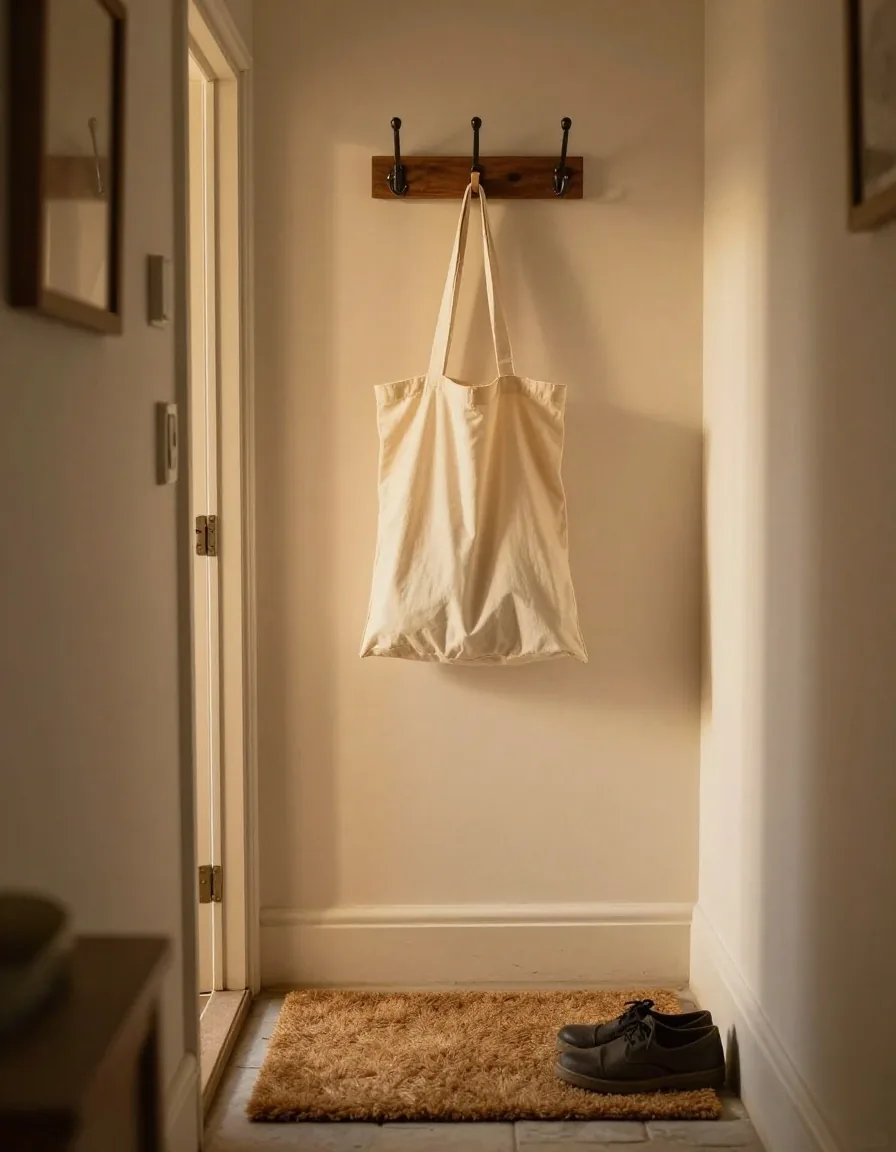
Drafted from real use
Every guide starts from something the author already does at home — the jar on the windowsill, the shopping bag by the door, the bin that fills too fast. Where a step is fiddly, the guide says so.
Questions about low waste living?
Monday to Friday, 9:00 AM – 6:00 PM
+44 20 7946 0821
Contact GreenLoopAbout GreenLoop Living
GreenLoop Living is written in the UK, for UK homes. Before we publish anything, we run it at home first — the windowsill of glass jars, the kitchen counter, the cupboard where the beeswax wraps live. If a method doesn't survive a Tuesday evening, it doesn't go on the site.
Free guides on zero waste living and upcycling, kept short enough to act on and honest about where the practice gets messy.
GreenLoop Living publishes guides, project ideas, and practical tips on reducing household waste. Topics cover food, packaging, textiles, and home projects, plus the habits that hold them together. Everything is free to read, and there's no shop attached to the site. We are not a certification body, a product review site, or a brand. If a guide mentions a specific method, it's because it's widely used and easy to try, not because of a commercial arrangement.
Guides and project ideas on food, packaging, textiles, and home projects.
Everything free to read — no shop, no paywall, no account required.
Not a certification body, product review site, or brand. Methods appear because they work, not because of a commercial arrangement.
The site is run by a small team with backgrounds in writing and environmental work, plus a long-standing habit of repairing things rather than replacing them. Guides are drafted from research and personal use, then edited for clarity. Where advice depends on local rules — council collections, kerbside recycling — we say so rather than pretending there's one UK-wide answer.
We don't publish advice we haven't tried or can't verify. That means the site grows slowly, which is intentional.
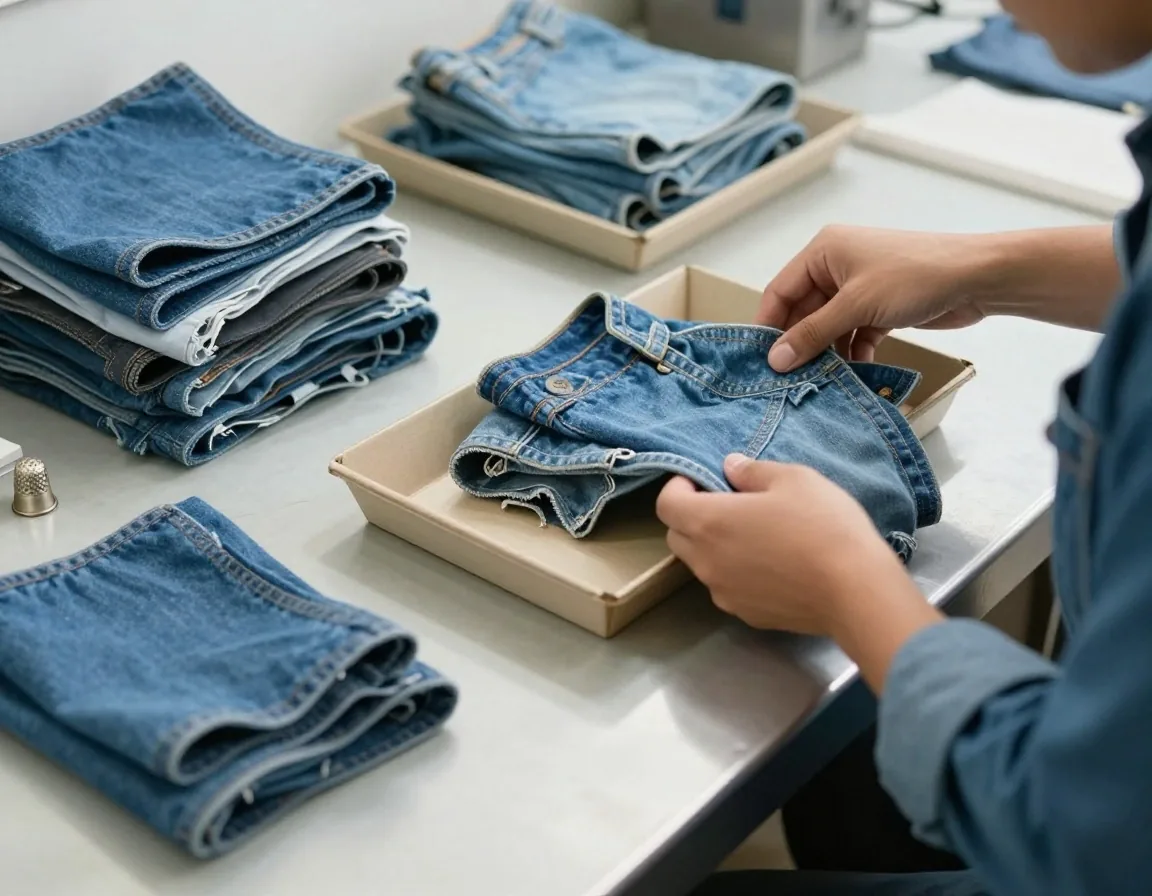
Every guide starts from something the author already does at home — the jar on the windowsill, the shopping bag by the door, the bin that fills too fast. Where a step is fiddly, the guide says so.
Drafts get rewritten for the reader who has ten minutes and a full bin. Acronyms and trade terms get pulled out; what stays is the sequence of steps and what to watch for.
Council collections, kerbside rules, and refill options vary. Where the answer depends on where you live, the guide points to the right place to check instead of guessing for you.
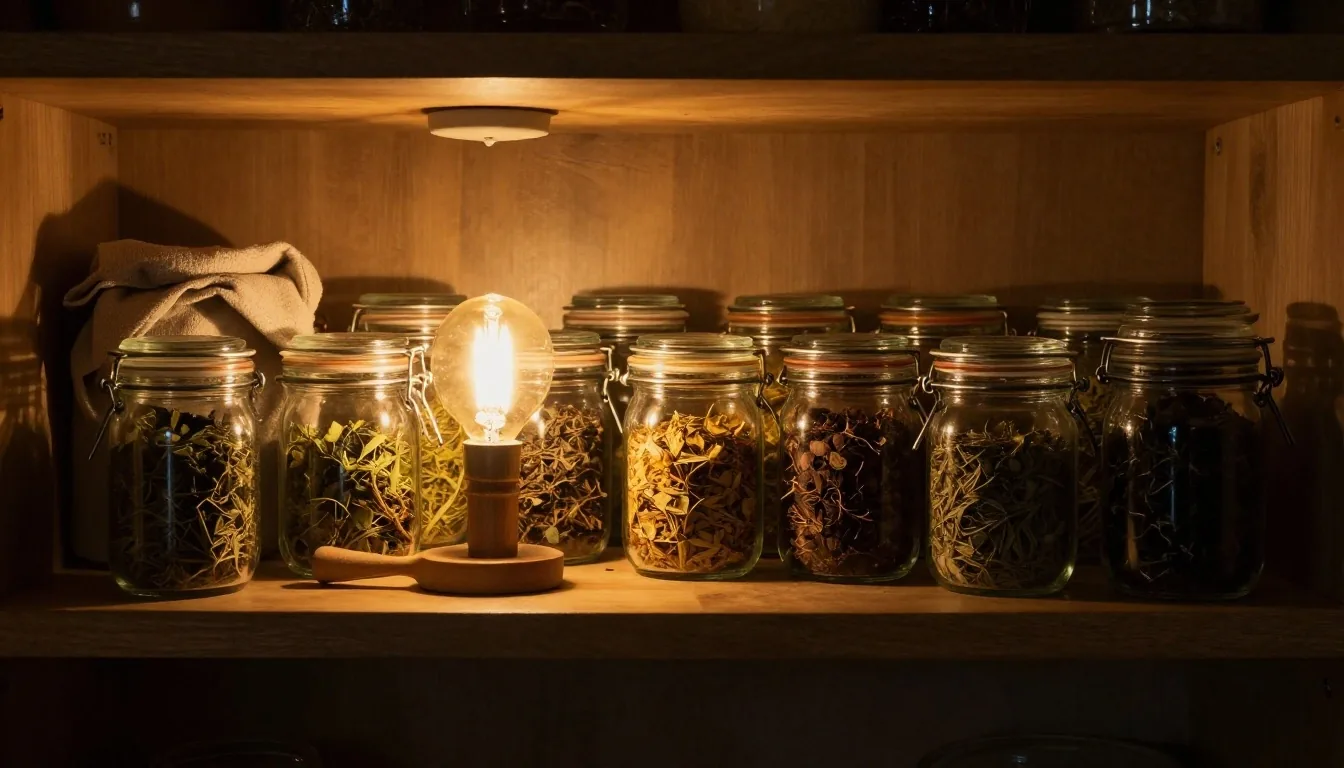
Each guide starts with a practical question: what would someone actually do on a Tuesday evening with limited time? We test the steps where possible, check the claims against published sources, and note where practice varies. Sources typically include council guidance, manufacturer instructions for products like beeswax wraps or compost bins, and established reference material on composting and textiles. Reviews happen periodically and after any significant change in guidance. Outdated advice gets updated or removed rather than left to drift.
These rules exist so the guides can stay boringly simple. If that ever changes, it will be stated on the relevant page and on this one — not hidden somewhere small.
We also don't claim zero waste is achievable for everyone. It's a direction, and the site is built around realistic progress rather than perfection.
The site is written for a UK audience, so references to council collections, supermarket ranges, and typical packaging rules reflect UK practice. Readers in other countries can still use most of the method sections, but local recycling and waste rules will differ.
Kerbside collection and what gets taken vary by council. Where a guide depends on the local list, it says so and points to where to check.
England, Scotland, Wales, and Northern Ireland run different rules for compost, refill shops, and kerbside recycling. Where it matters, we say which one applies.
Outside the UK? The method sections — how to reduce household waste, how to upcycle glass jars, plastic free alternatives — usually carry over. The collection rules won't.
If a guide gives you a step that your council won't accept, trust your council. The guide is the method; the local rule is the truth.
If a step doesn't work for you, we'd rather hear it than keep a guide that's quietly wrong.
If you spot something wrong, outdated, or unclear, tell us. Corrections are welcome and taken seriously. We aim to respond within a few working days and will update the relevant page when a correction is confirmed — or remove it if the advice no longer holds up.
Working hours
Monday to Friday, 9:00 AM – 6:00 PM
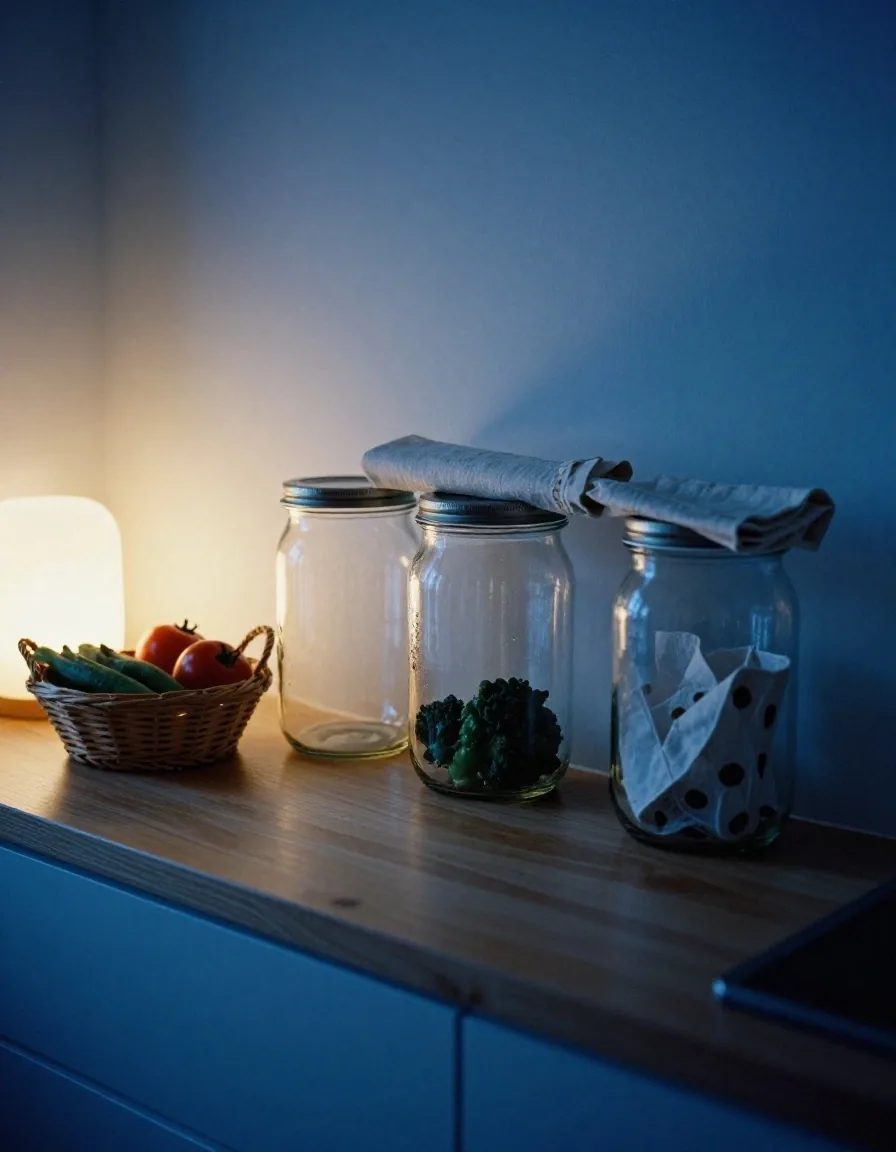
There's no advertising on the site and no product placement in the guides. That keeps the advice simple and removes any reason to recommend something you don't need. The kitchen swaps work with what you already own; the upcycling ideas start from the jar or the shirt that's already in the house. Nothing on these pages is here because an arrangement put it there.
If that ever changes, it will be stated clearly on the relevant page and in this section, not hidden in a footer.
Reader first
Advice points at what to do, not what to buy.
No basket
There is nothing to add to a cart on any page.
Written in-house
Every guide is drafted, tested, and edited by the team that runs the site.
Short answers to the things readers ask about most often before they start reading.
No. It's an editorial site. There's nothing for sale and no affiliate links.
No. Guides are written in-house and kept free of commercial arrangements.
Yes. Use the Contact page to send either — topic suggestions and corrections both reach the same inbox.
Start with the starter guide, then pick one room. The kitchen usually gives the quickest wins — food storage, cleaning, and the weekly shop. Add home projects and textile repair later, once the first habit holds.
Start where you are
Sustainable lifestyle habits build the same way anything else does — through repetition. The guides here are built to be started on a Tuesday, not on a perfect weekend.